Tooth Bonding in Westland, MI

Restore Your Smile With Ease

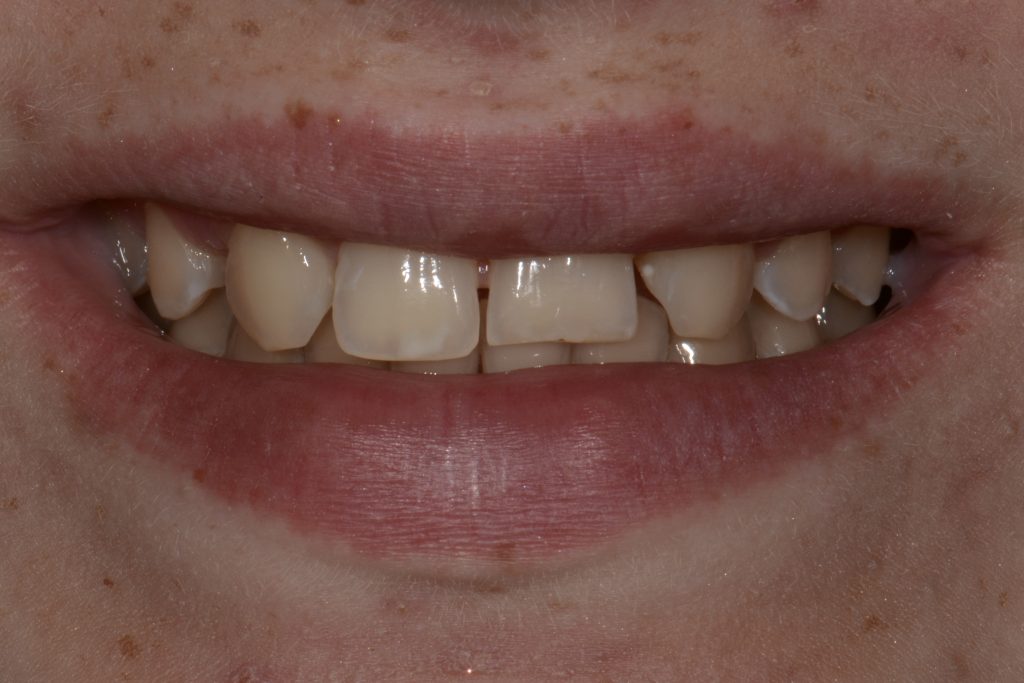
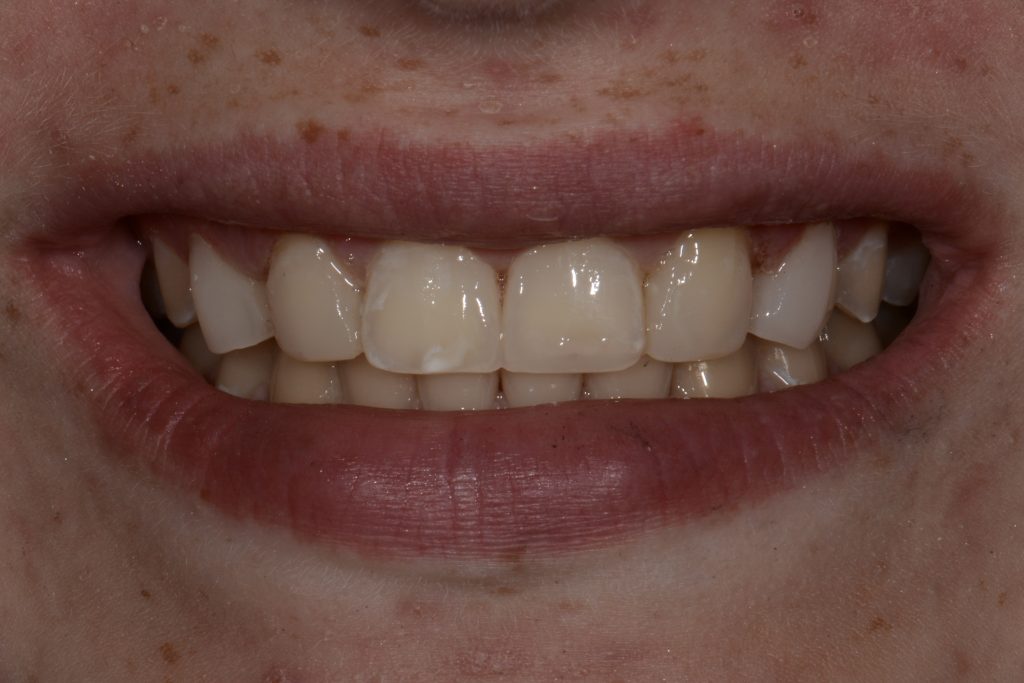
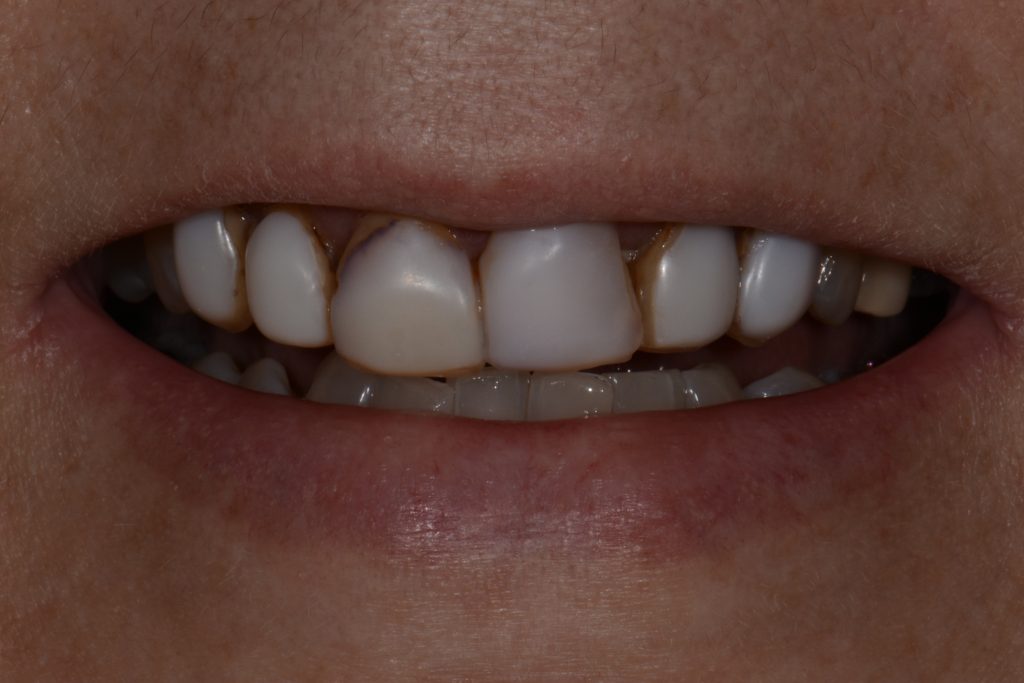
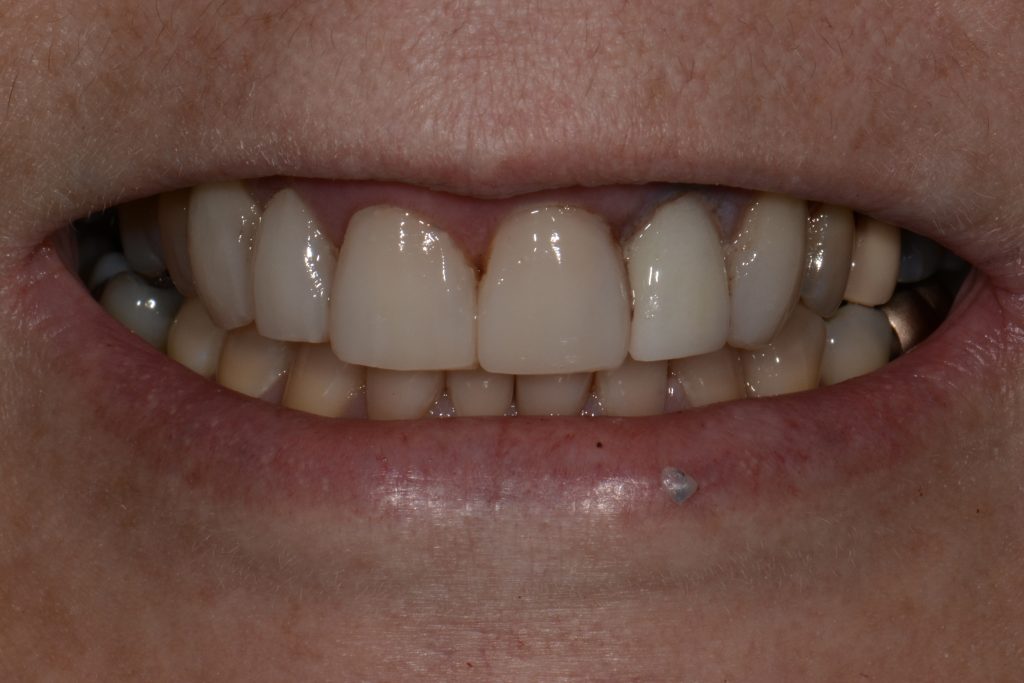
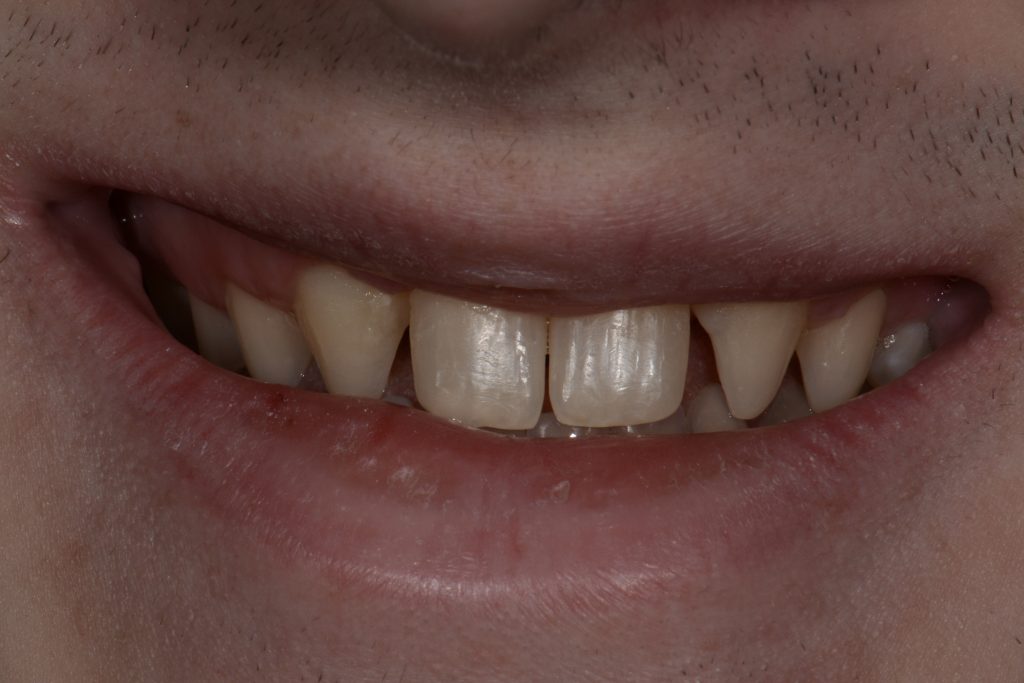
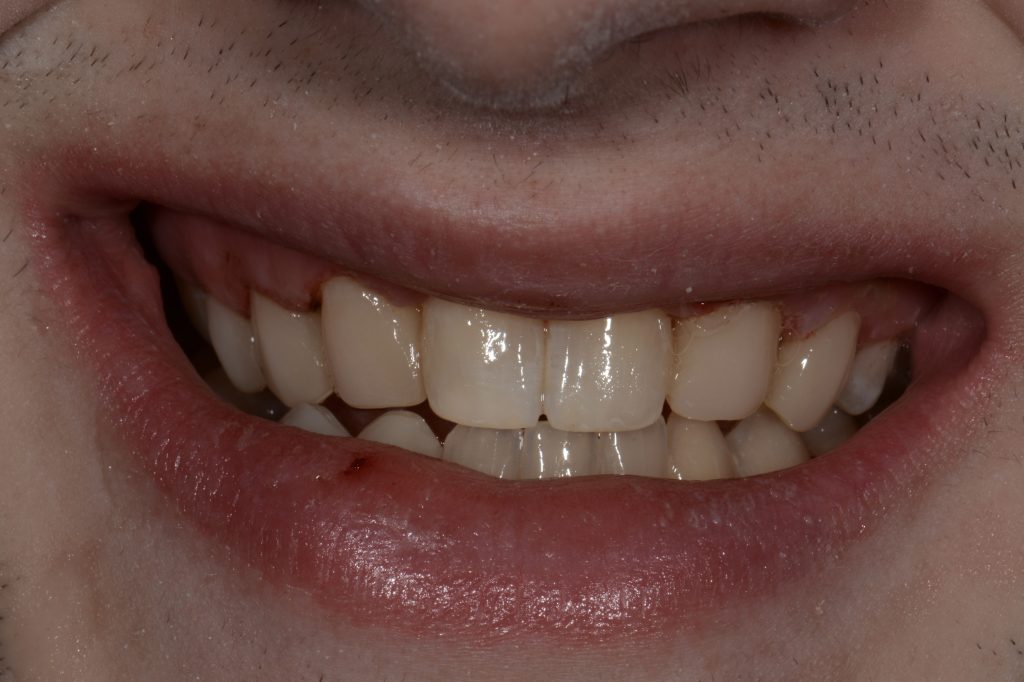
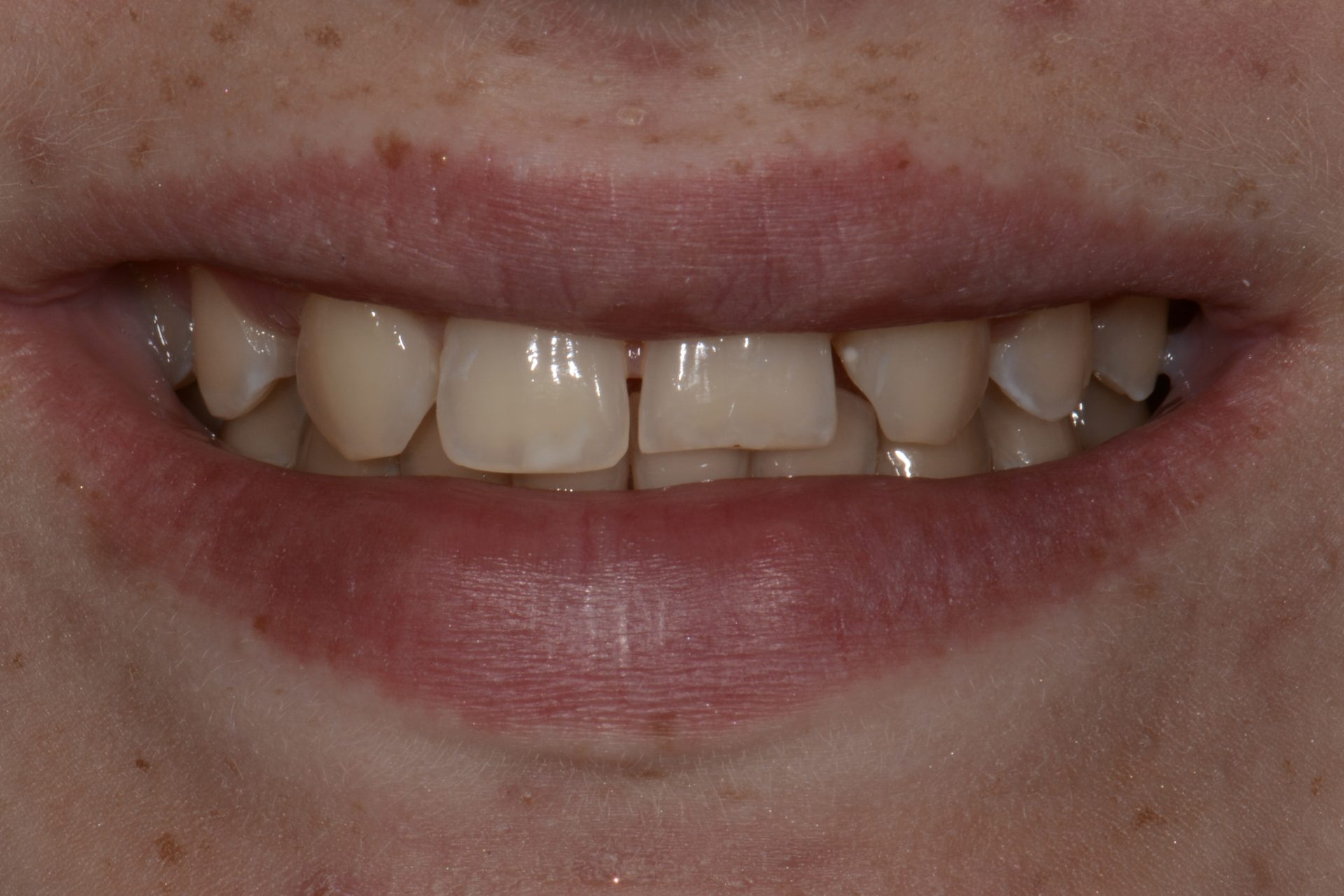
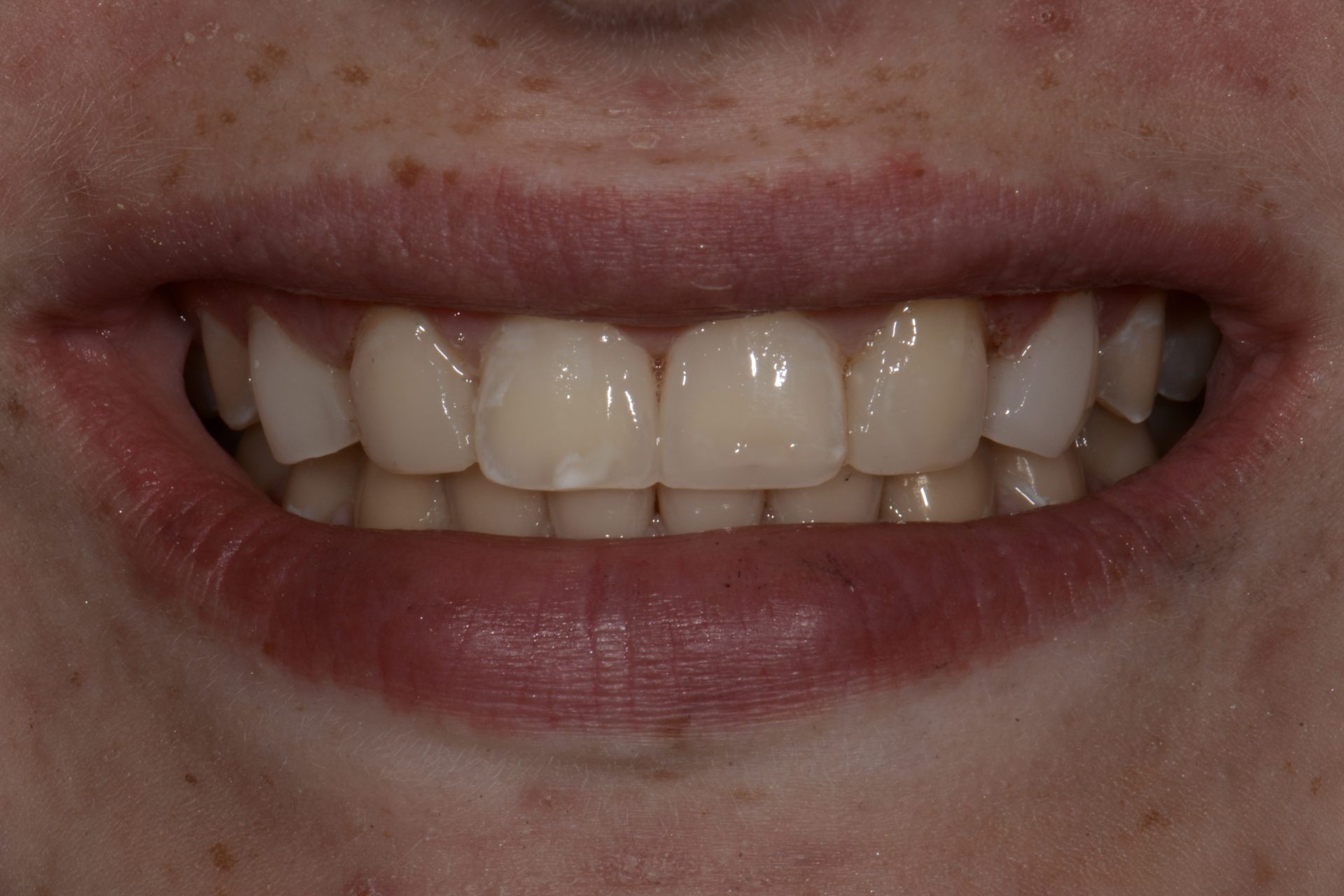
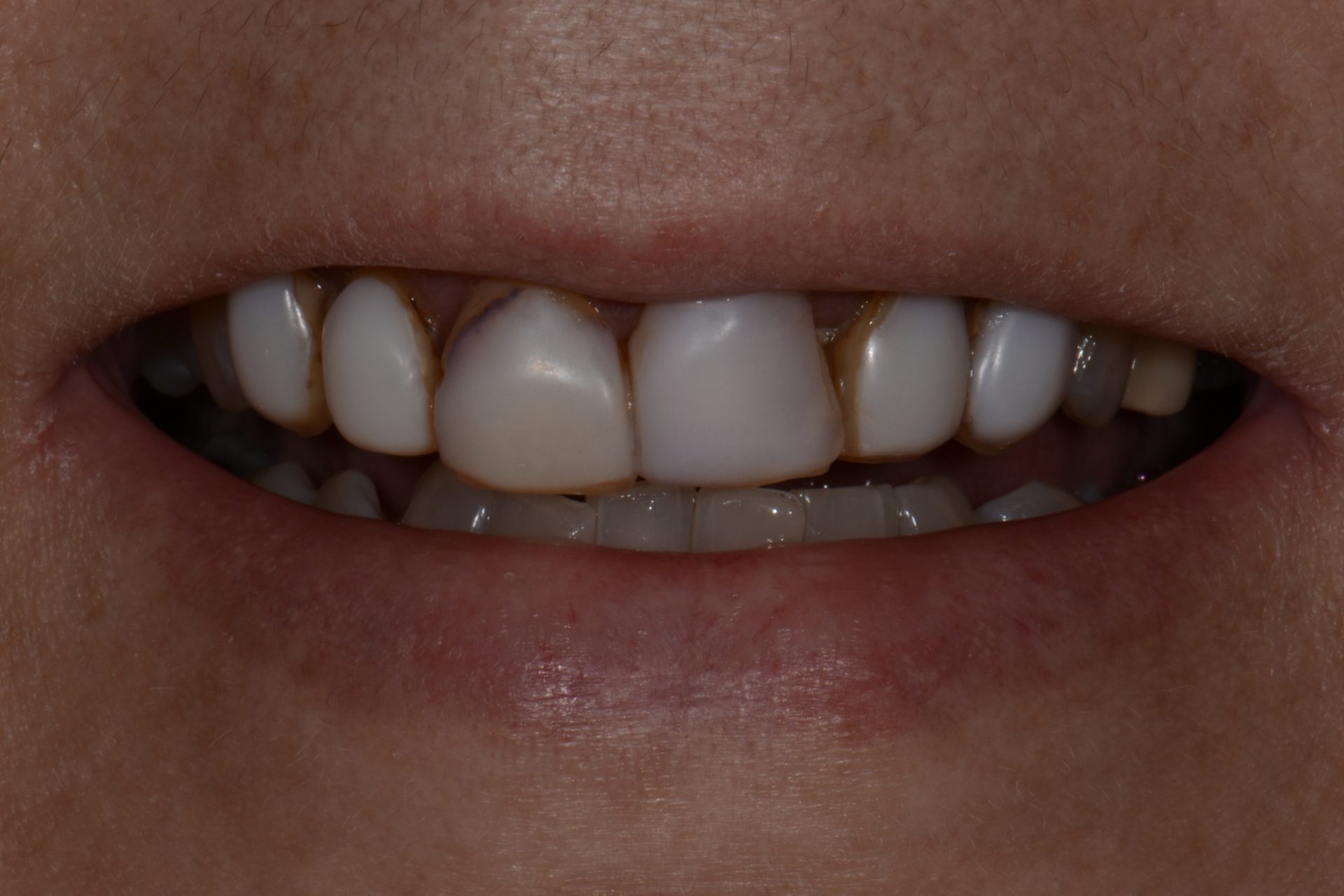
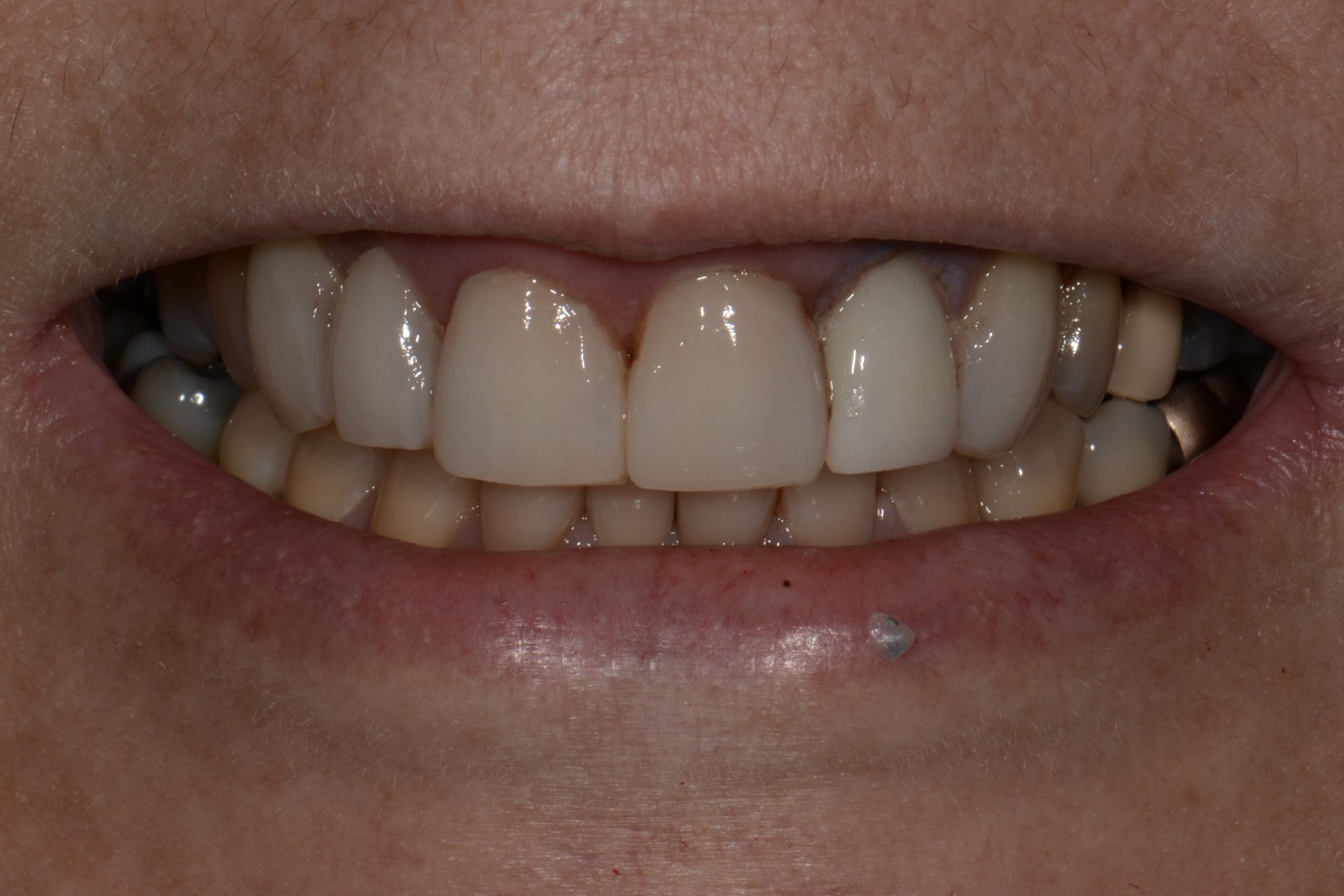
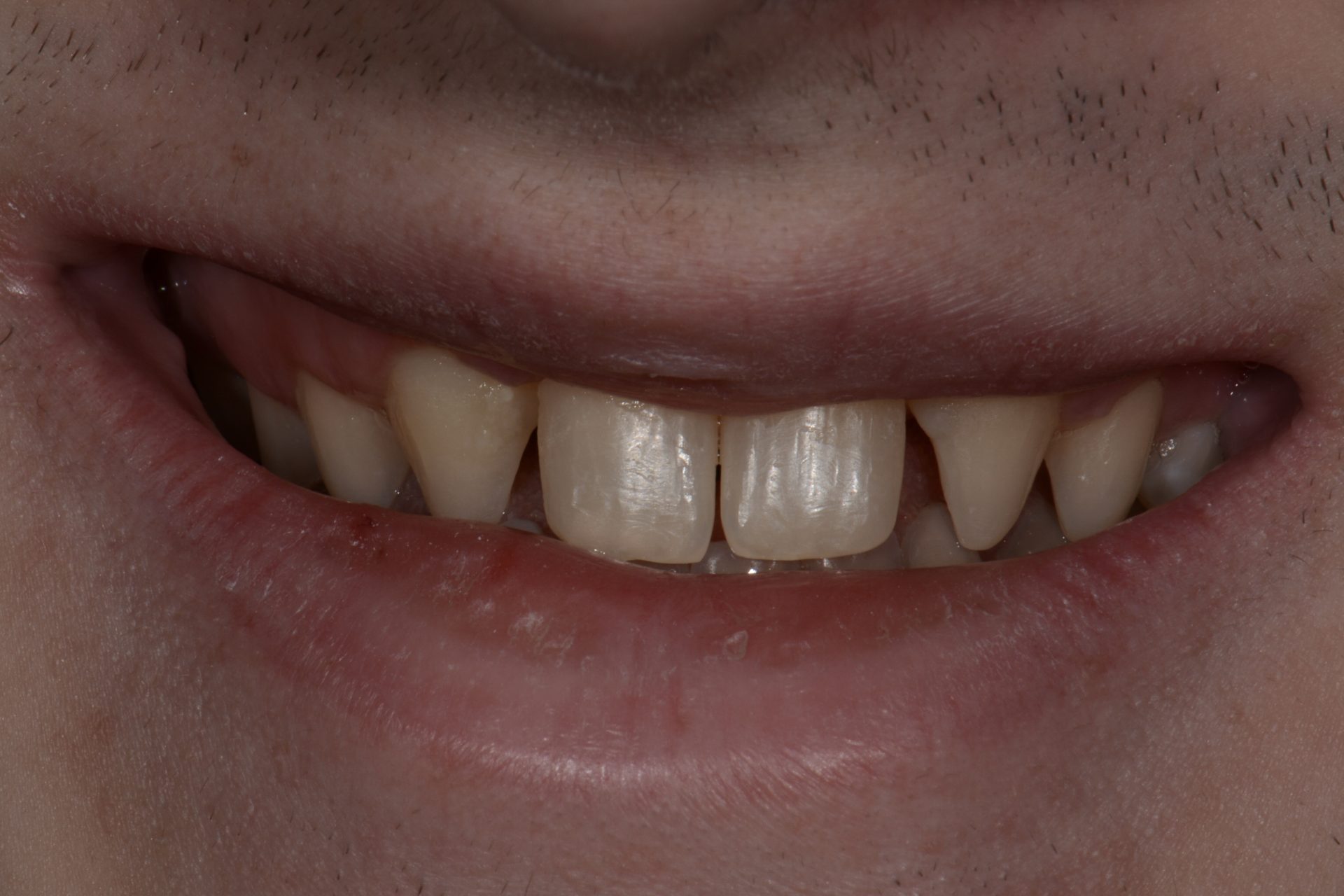
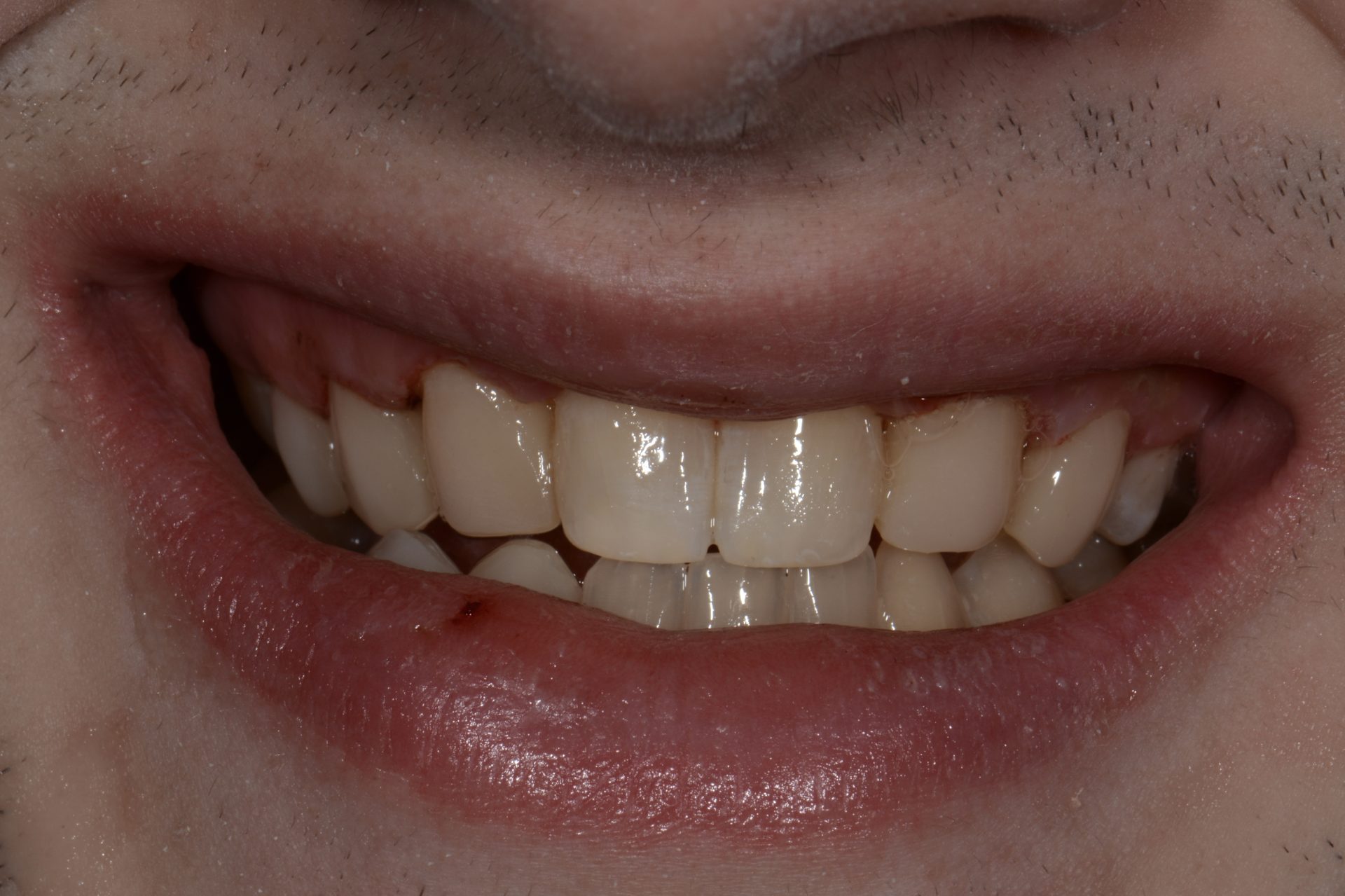
If you feel self-conscious when you smile, you’re not alone. Over time, teeth become more and more susceptible to damage and discoloration, even if you’re diligent about your dental hygiene. Whether you have minor damage from normal wear and tear or from your lifestyle, dental bonding can restore your smile in as little as one visit to our Westland, Michigan office. We have the best Westland dentists and help patients from Detroit, Livonia, Ann Arbor, and more.

If you’ve been looking for dental bonding in the Detroit area, our talented team of dentists at Parkside Dental can help. Read on to learn more about this easy cosmetic and restorative dentistry procedure.

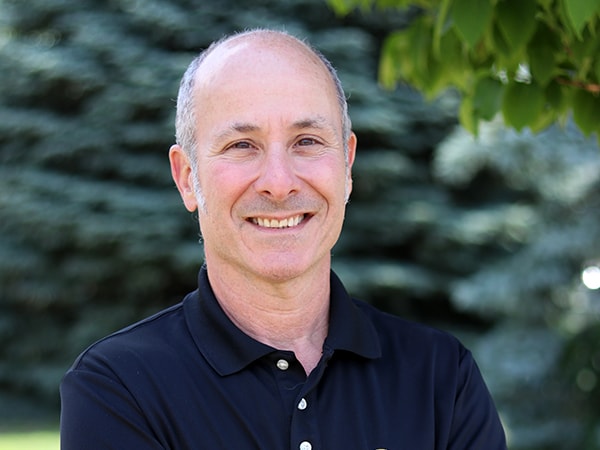
Westland MI Cosmetic Dentist Dr. Steven Cohen

What is Dental Bonding?

Dental bonding, also known as tooth bonding, involves attaching a plastic-like resin to teeth, then shaping and polishing the resin to alter the tooth’s appearance and structure. The resin is composite, made of high grade quartz and acrylic.

This in-and-out procedure does not usually require heavy anesthesia, and we do not have to remove enamel from your teeth. Therefore, it’s extremely non-invasive. Dental bonding is used to fill in small gaps and imperfections in your teeth and beautifully restore your smile.

Benefits of Dental Bonding

There are numerous benefits of dental bonding, including:

  • More affordable than veneers
  • Fills gaps between teeth
  • Reinforces teeth to prevent further damage
  • Restores your confidence in your smile
  • Fast treatment
  • Predictable results
  • Non-invasive installation process
  • Treats discoloration, damage, and decay
  • Replaces fillings

It is important to note that dental bonding is not permanent, nor does the procedure last as long as porcelain veneers. You can expect to enjoy your results for three to 10 years, depending on your dental hygiene, food, and lifestyle habits. Of course, when the time comes, you can always opt for more bonding.

perfect smile
dental checkups at Parkside Dental

The Dental Bonding Process

Once you and the dentists at Parkside Dental have decided that tooth bonding is right for you, you’ll make an appointment for the procedure. During your initial visit, our team of dentists will assess your overall oral health, make sure you’re a good candidate for bonding, and pick out a color of resin that most closely matches your natural teeth.

At your next appointment, we will apply a local anesthetic to ensure you won’t feel any pain. Next, we’ll slightly etch the surface of the teeth so the resin will stay in place. After your teeth are prepared, the dentist will apply the resin to your tooth, molding it into the proper shape.

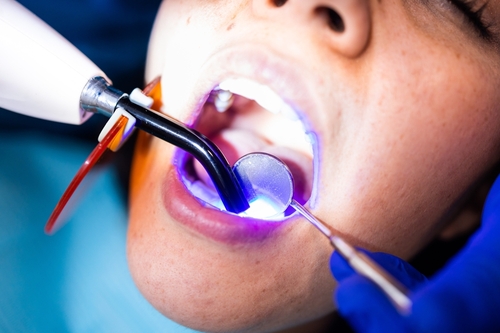
The resin will be hardened using a handheld blue light, then the material will be trimmed and polished to complete the look.

You will leave our office with a new enhanced smile and more confidence. We’ll also make sure to provide you with plenty of after care instructions so you can maintain your new look for as long as possible.

Who Is a Good Candidate for Dental Bonding?

Dental bonding works best for patients looking to correct minor to moderate cosmetic or structural issues without more invasive treatment. You may be a good candidate for bonding if you have:

  • Chipped or Cracked Teeth — Bonding can rebuild small areas of missing tooth structure and restore a natural shape in a single visit.
  • Gaps Between Teeth — Composite resin can fill small spaces, creating a more even, uniform smile without orthodontics.
  • Stained or Discolored Teeth — If tooth whitening treatments haven’t fully addressed discoloration, or if a stain is isolated to one or two teeth, bonding can mask it effectively.
  • Slightly Misshapen or Worn Teeth — Bonding can reshape teeth affected by minor wear, uneven edges, or irregular contours.
  • Small Cavities — In some cases, bonding is used as a tooth-colored alternative to metal fillings.

Because bonding doesn’t require removing significant enamel, it’s an especially good option for patients who want a conservative, reversible-friendly treatment. That said, bonding isn’t ideal for every situation. Larger areas of damage, teeth that need significant reshaping, or patients wanting a longer-lasting solution may be better suited to porcelain veneers or dental crowns. During your consultation, our Parkside Dental team will evaluate your teeth and goals to help you decide if bonding is the right fit.

Dental Bonding vs. Porcelain Veneers

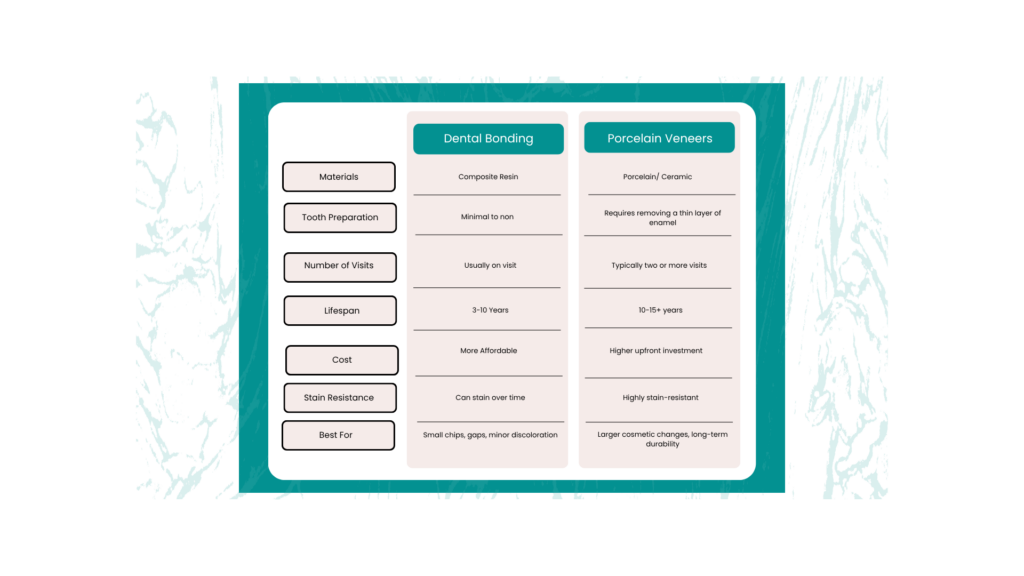
Bonding and porcelain veneers are both popular ways to improve the appearance of your smile, but they differ in cost, longevity, and the amount of preparation involved.

dental bonding vs porcelain veneers

If you’re deciding between the two, think about your budget, timeline, and how much correction you need. Bonding is a great low-cost, low-commitment option for minor imperfections, while veneers are a longer-term investment for patients wanting a more dramatic or permanent transformation. Many patients choose bonding first and consider veneers later if their needs change. Our dentists can walk you through both options and help you weigh the trade-offs based on your specific smile goals.

What Affects the Cost of Dental Bonding?

Dental bonding is one of the more affordable cosmetic dentistry options, but the total cost can vary depending on a few factors:

  • Number of Teeth Treated — Bonding one tooth costs less than bonding several, since pricing is typically calculated per tooth.
  • Cosmetic vs. Restorative Purpose — Bonding used purely for cosmetic reasons (like closing a gap) may be priced differently than bonding used to repair damage or replace a filling, which can sometimes be considered a restorative procedure.
  • Extent of the Damage — A small chip requires less resin and chair time than a tooth with significant wear or structural loss, which can affect the overall cost.
  • Insurance Considerations — Because bonding can serve both cosmetic and restorative purposes, coverage varies by plan. Restorative bonding (such as repairing a cavity or damaged tooth) is more likely to be covered, while purely cosmetic bonding often isn’t. Check with your insurance provider before your appointment to understand what’s included.
  • Long-Term Maintenance — While bonding itself is affordable, resin isn’t as durable as natural enamel or porcelain. Depending on your habits, you may need touch-ups or replacement bonding every few years, which adds to the long-term cost compared to longer-lasting options like veneers.

Our team at Parkside Dental will go over pricing details during your consultation, including what your insurance may cover, so there are no surprises before you move forward with treatment.

Frequently Asked Questions

Dental bonding is a wonderful procedure, but it does require some extra care. For the first 48 hours after your dental bonding, avoid food and products that stain your teeth like red wine, coffee, and tobacco. 

Going forward, be diligent with your oral hygiene, making sure to brush twice a day and floss at least once daily. You’ll also want to be cautious when chewing since the composite resin is not as strong as your natural tooth enamel. Getting regular dental exams and cleanings from our Parkside Dental team will also help.

Typically, the resin used for dental bonding lasts for three to 10 years. This will depend on how well you care for your oral health, avoid hard foods, and limit foods and drinks that stain your teeth. 

The cost of the procedure varies based on how many teeth need bonding, the extent of the work you need done, and your dental insurance plan. Check with your provider before scheduling your dental bonding procedure so you’ll be aware of what, if any, your insurance will cover. 

keyboard_arrow_up