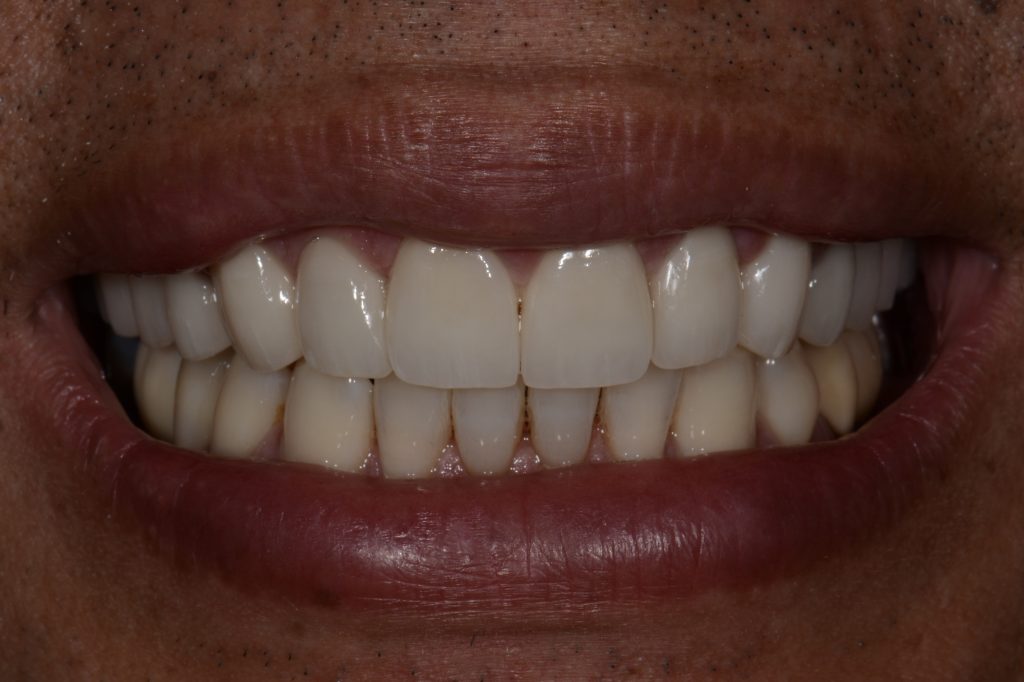
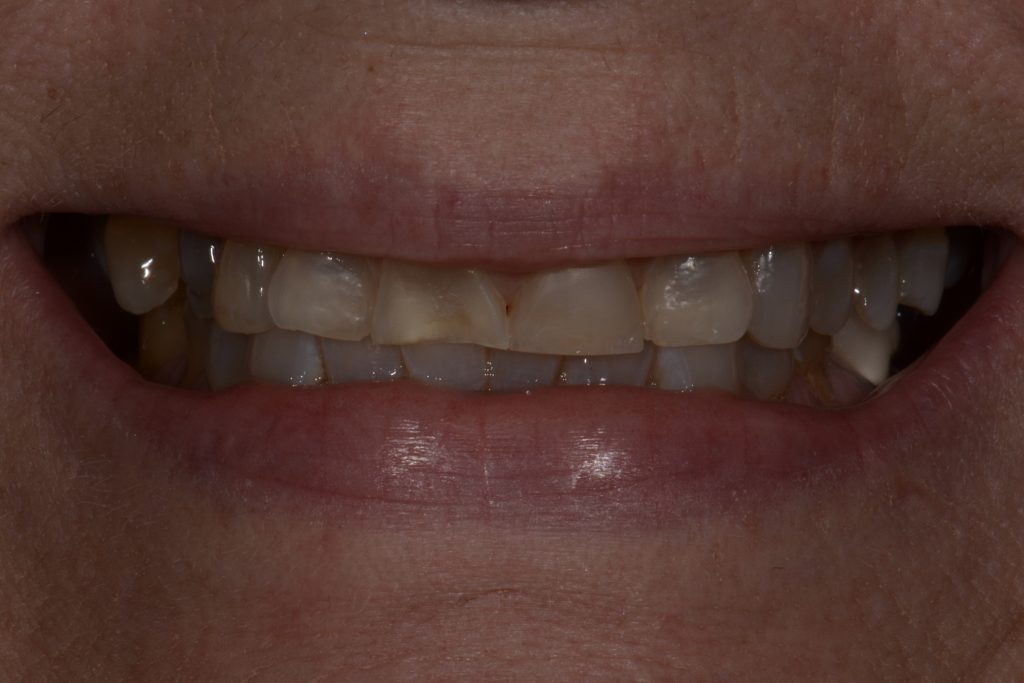
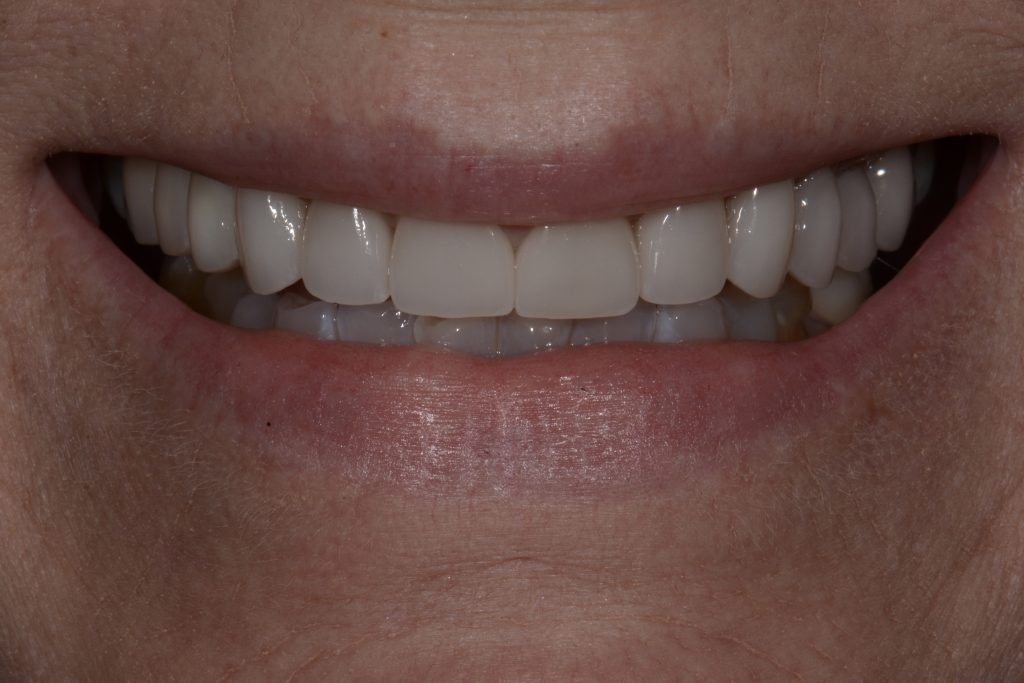
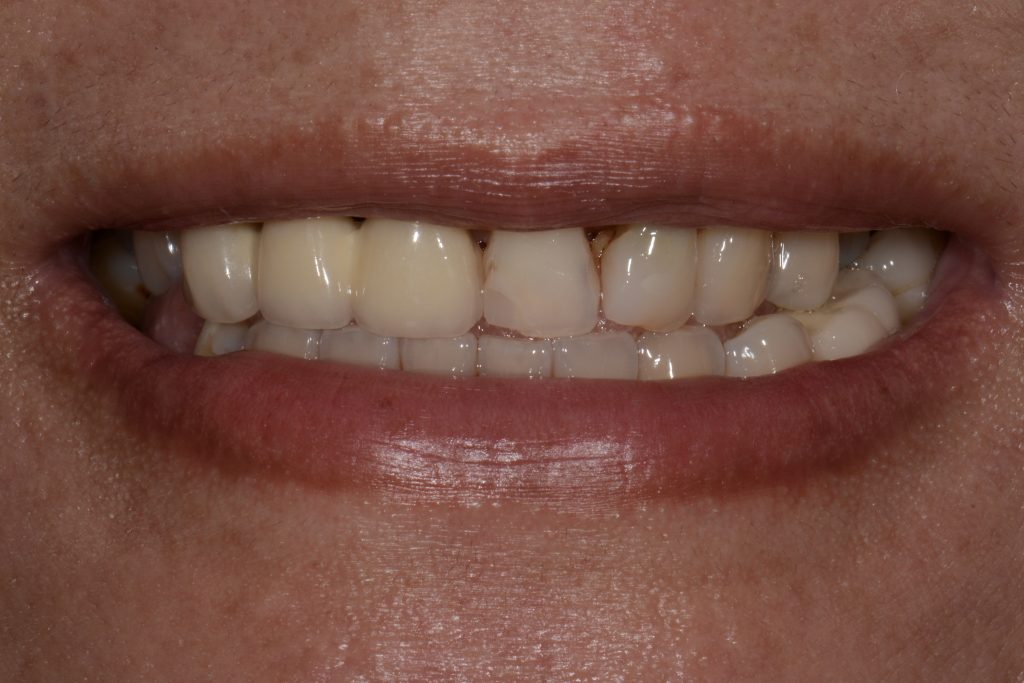
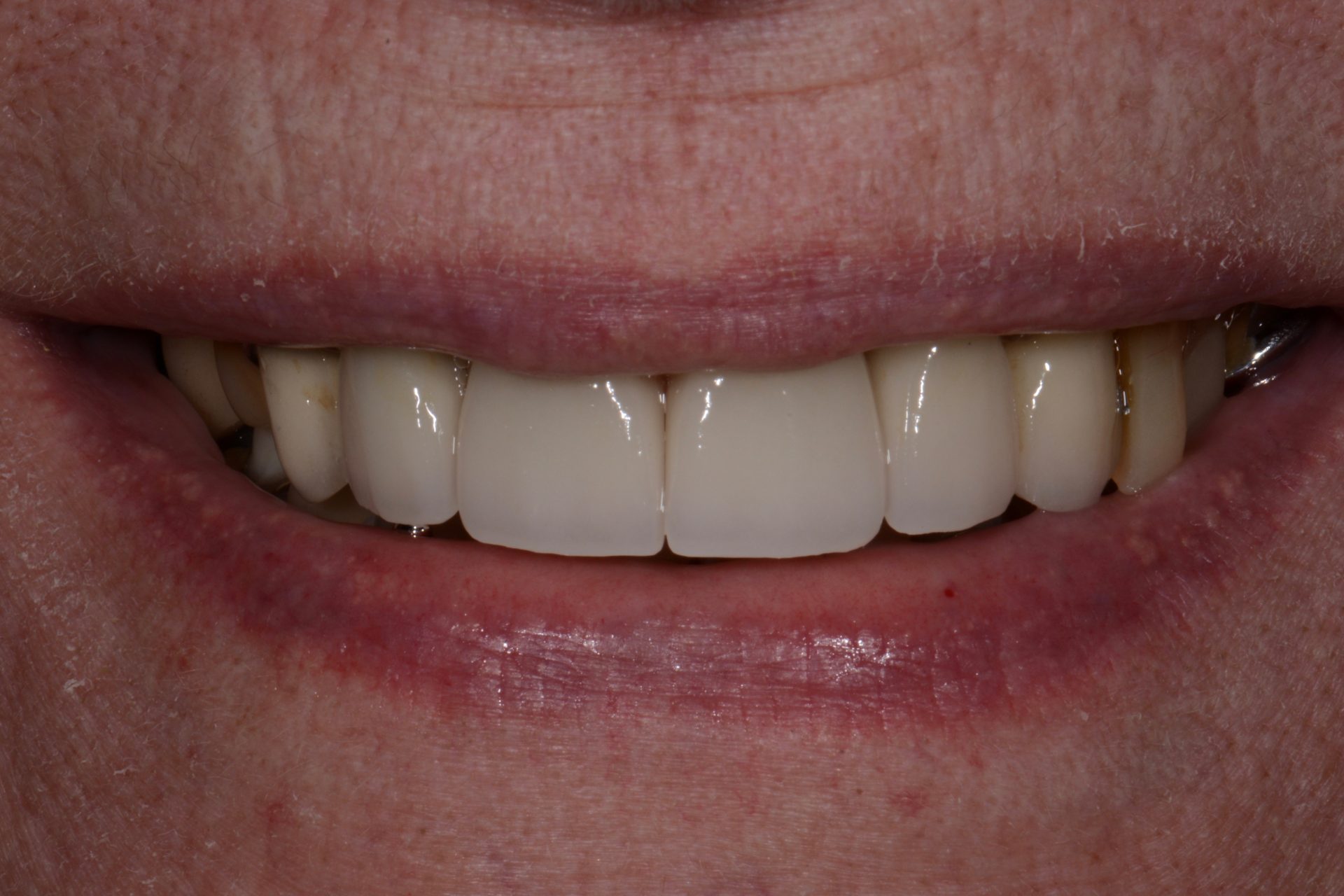
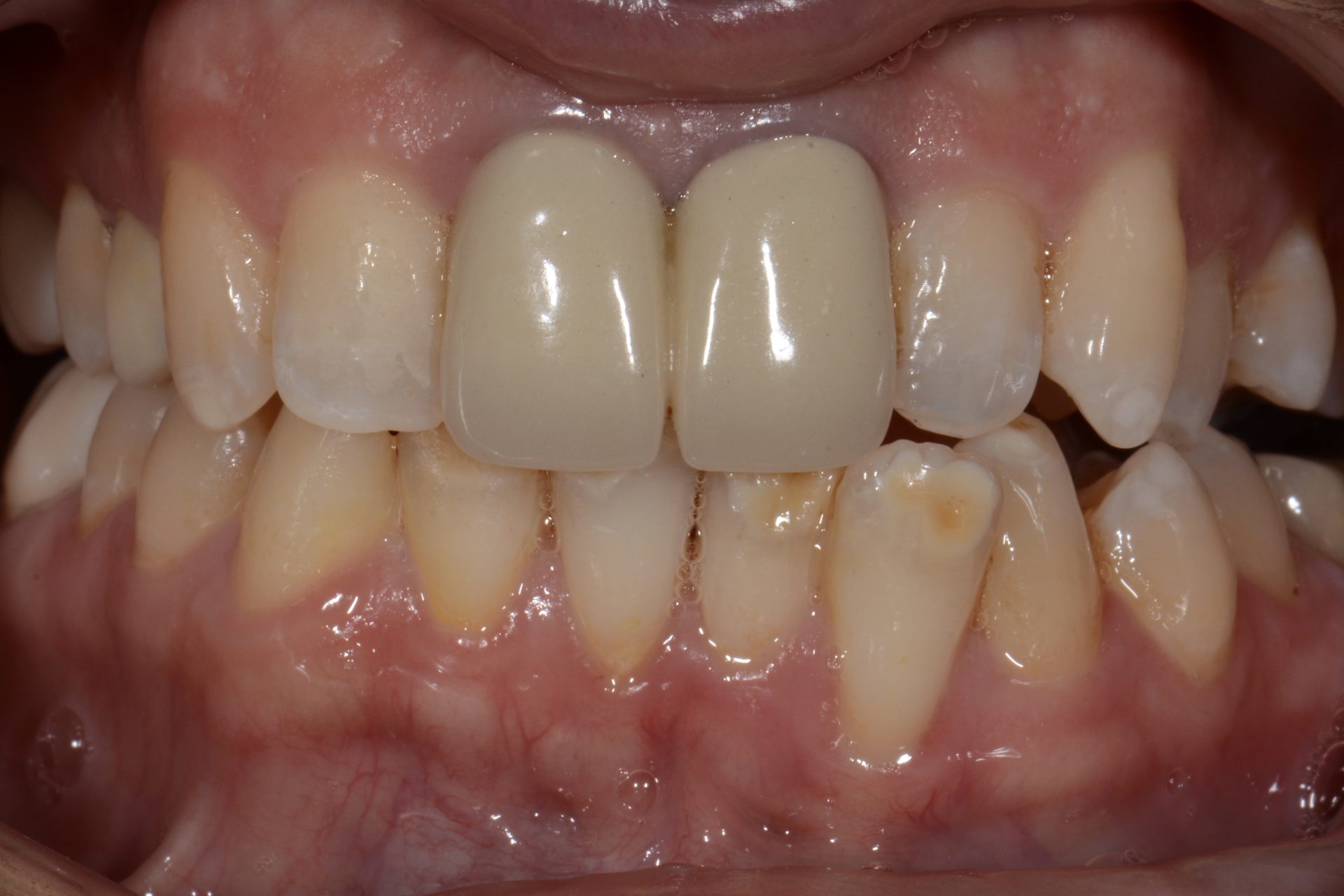
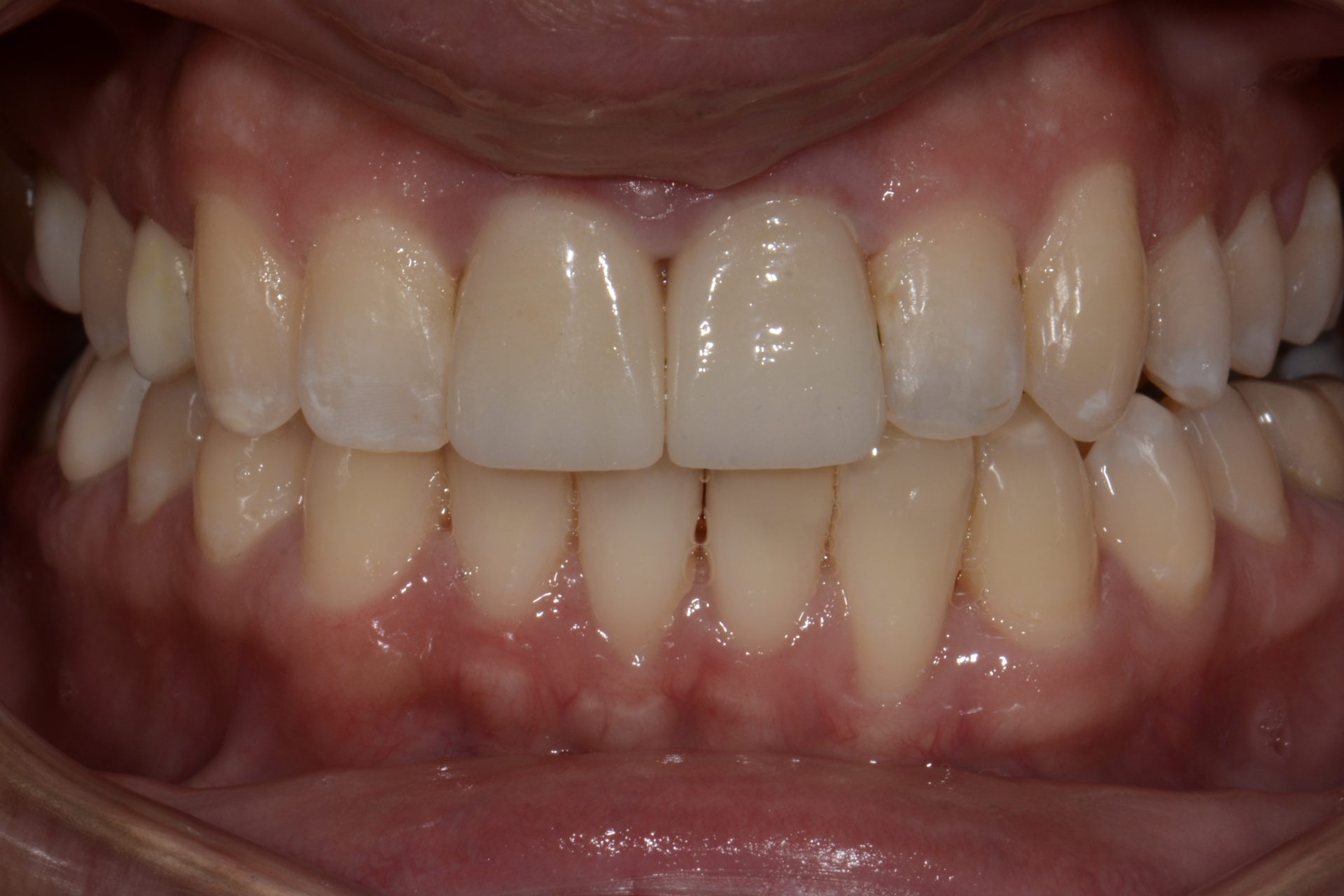
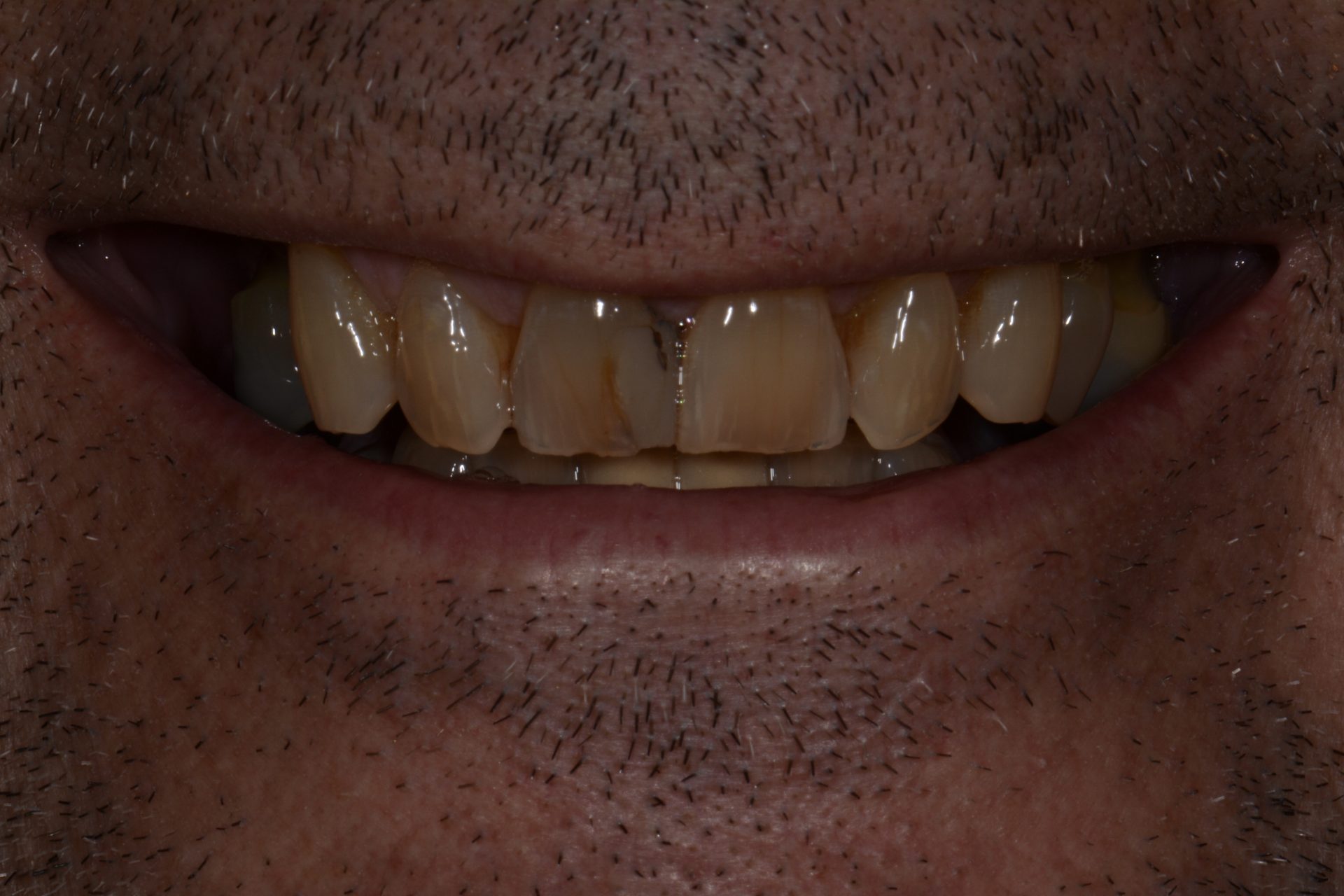
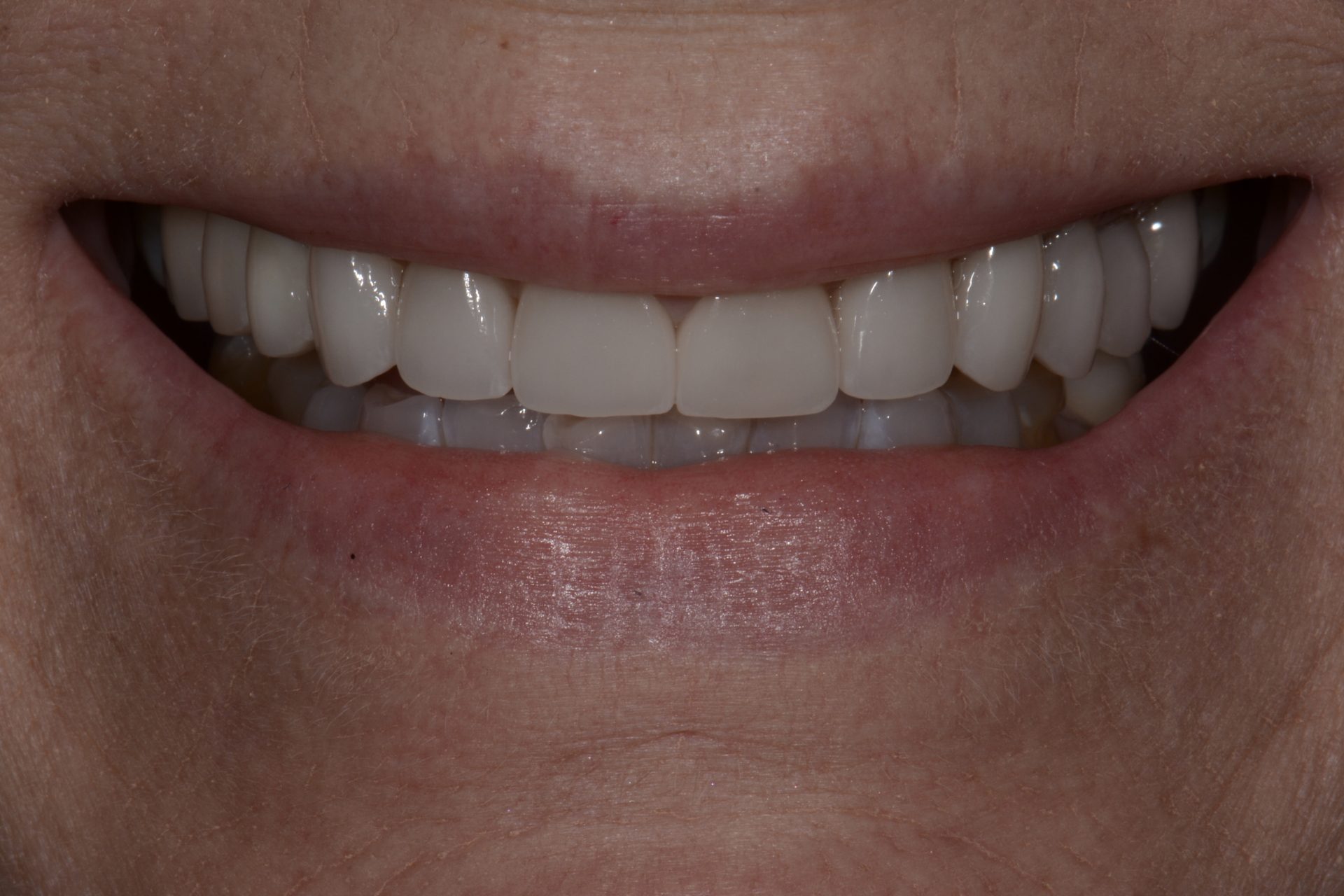
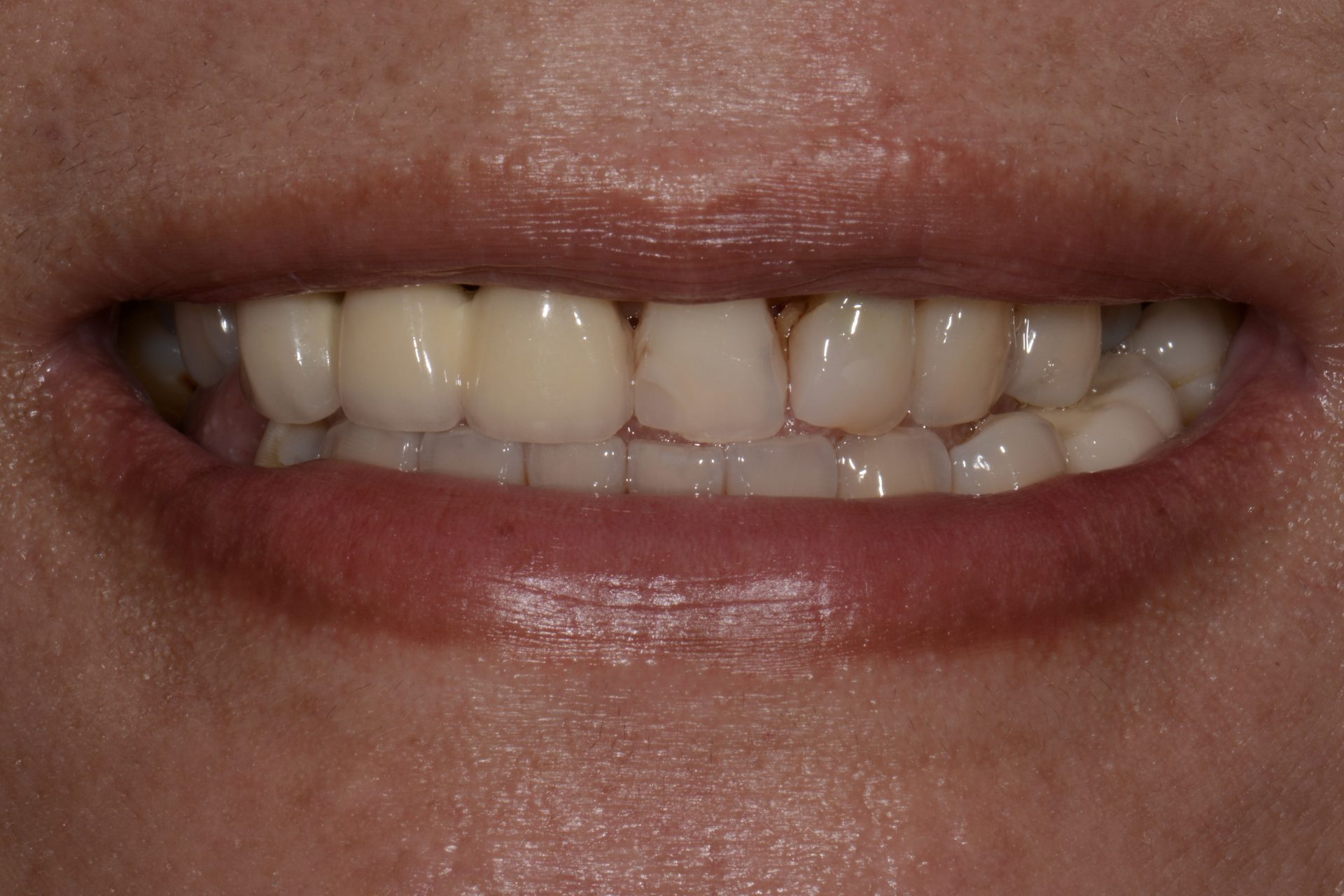
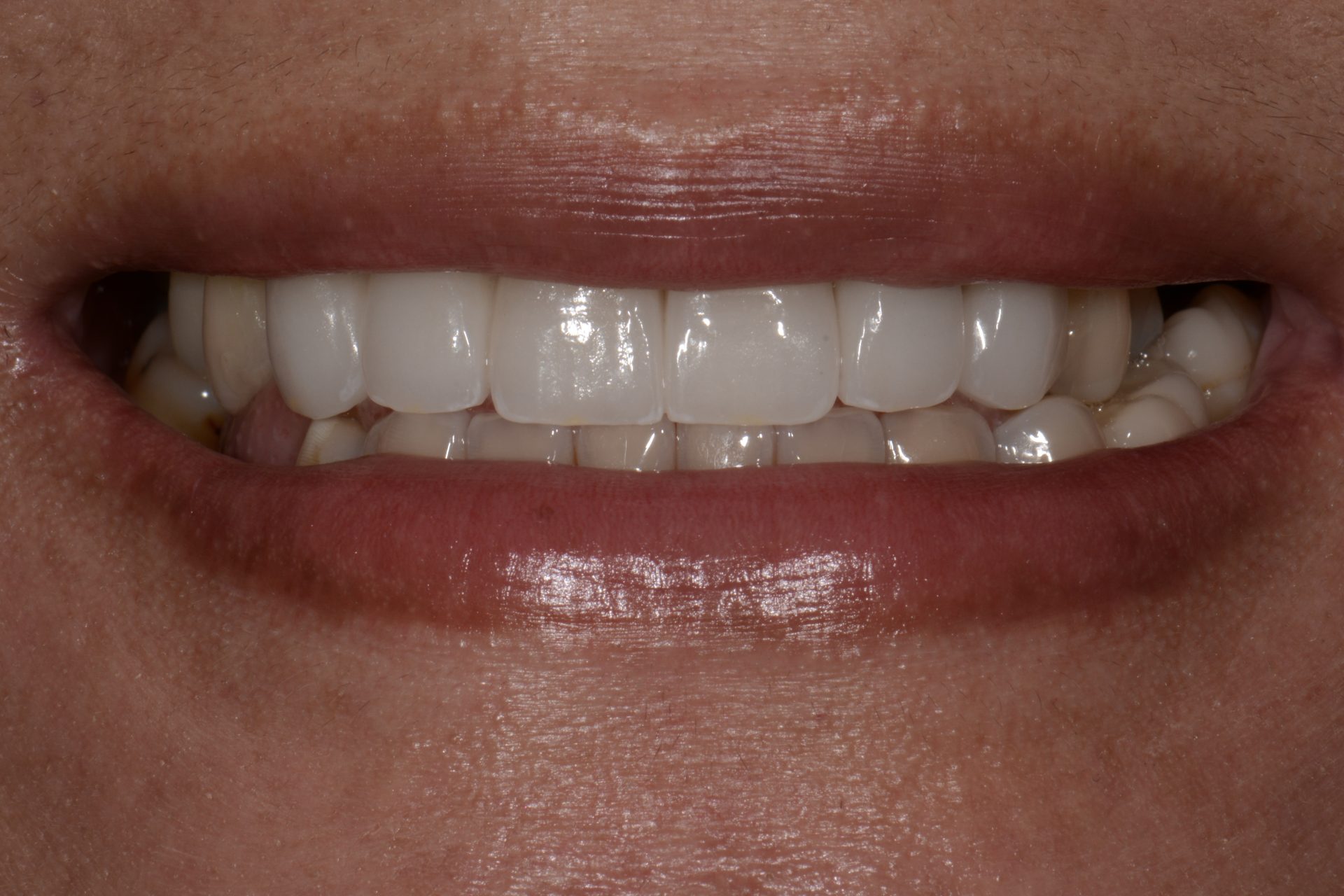
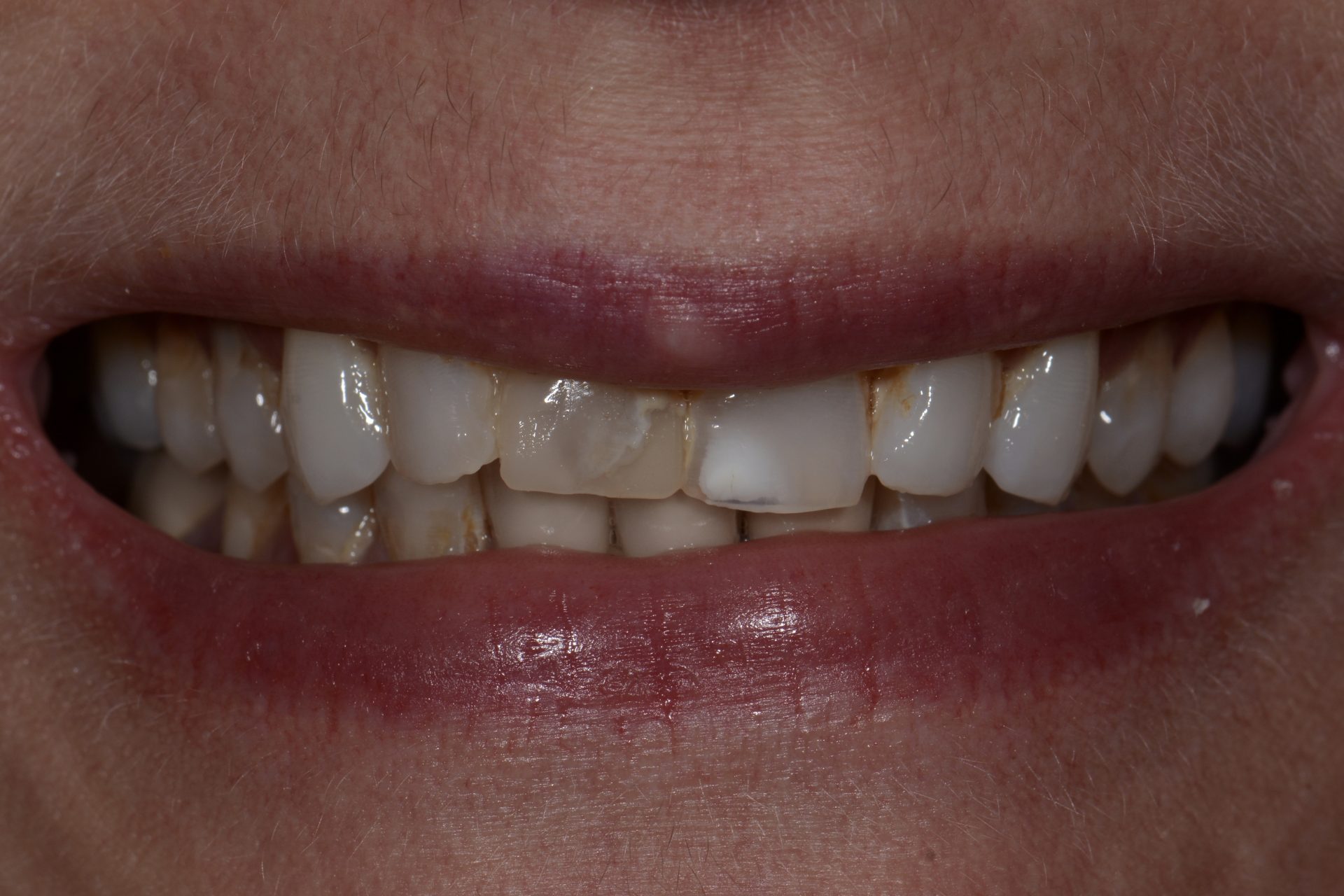
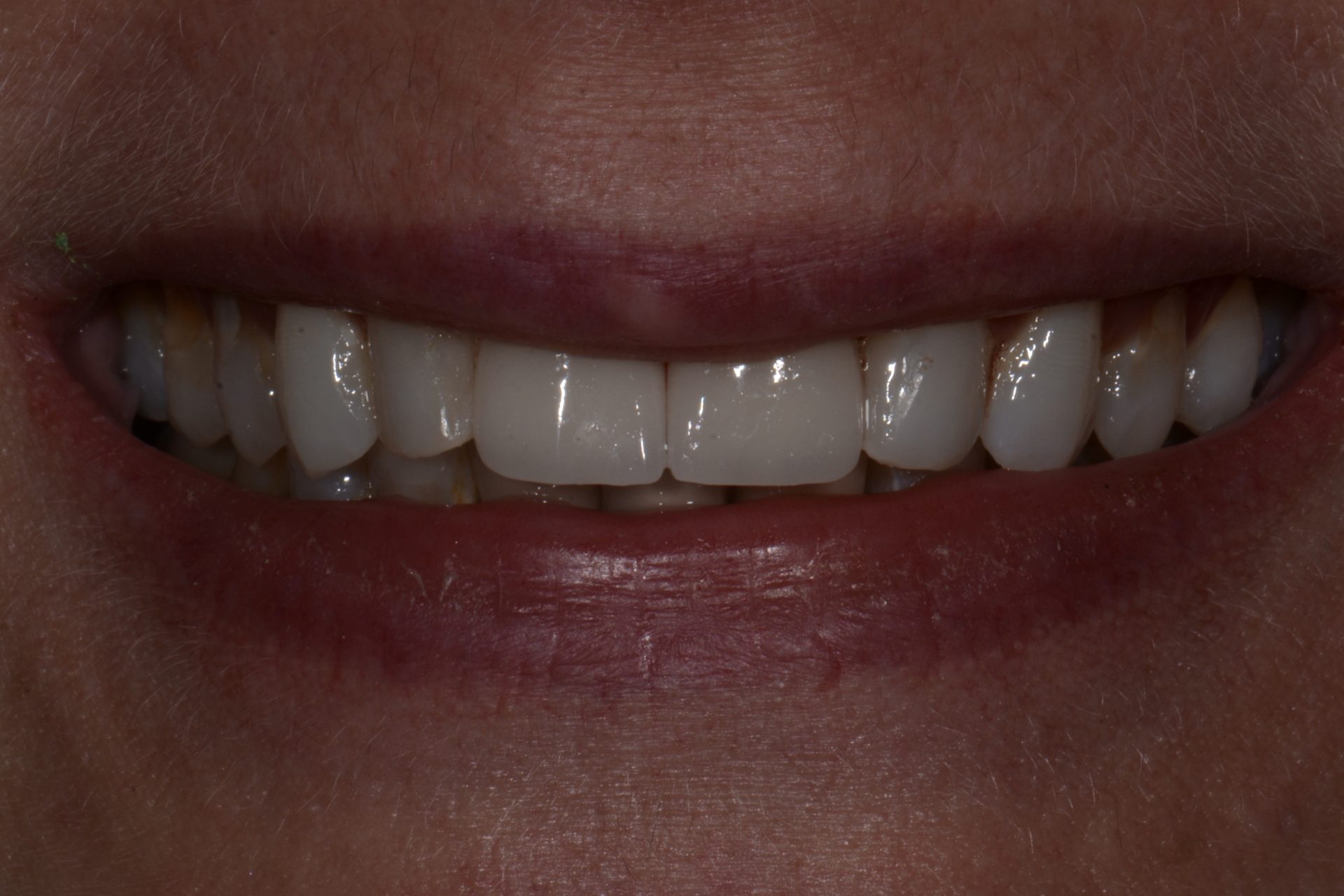
When Is a Dental Crown Needed?
Dr. Cohen may recommend a dental crown for several reasons. During your examination at Parkside Dental, he will assess your tooth’s structure, your bite, and any existing dental work before making a recommendation. Some of the most common situations that call for a crown include:
- Severely Decayed Teeth: When decay has progressed to the point where a standard filling can’t restore adequate structure, a crown provides full coverage and reinforcement.
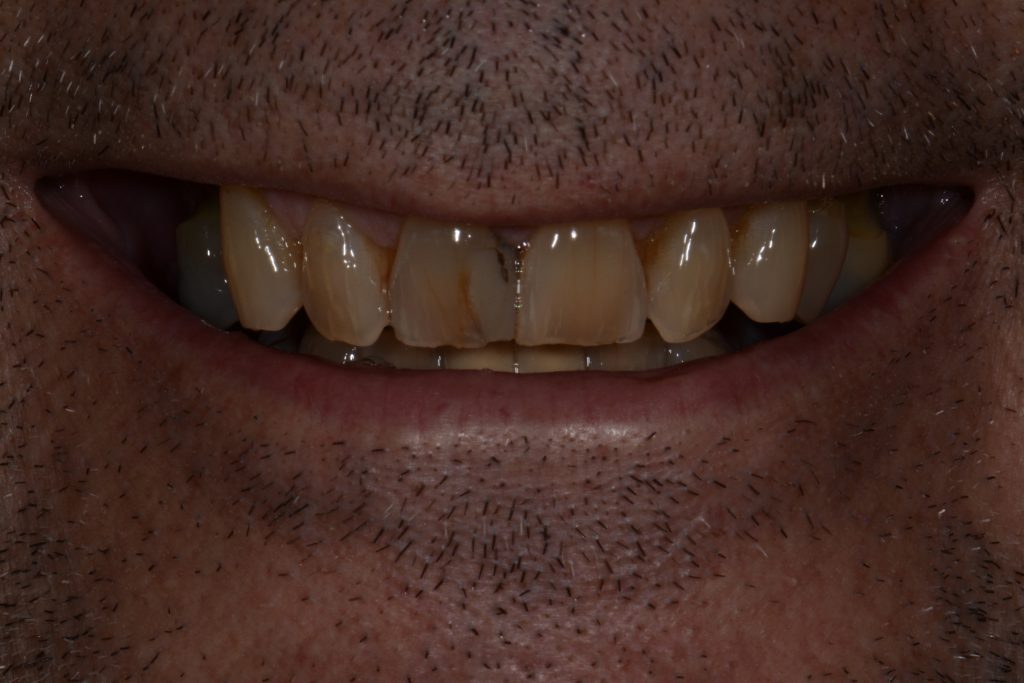
- Cracked or Fractured Teeth: A cracked tooth can be painful and susceptible to further damage. A crown holds the tooth together and prevents the crack from spreading deeper.
- Teeth after Root Canal Therapy: Root canal treatment leaves the tooth hollowed out and brittle. A crown placed over it restores full function and prevents breakage.
- Broken Cusps: If a significant portion of a tooth has broken off, a crown replaces the lost structure and restores the bite.
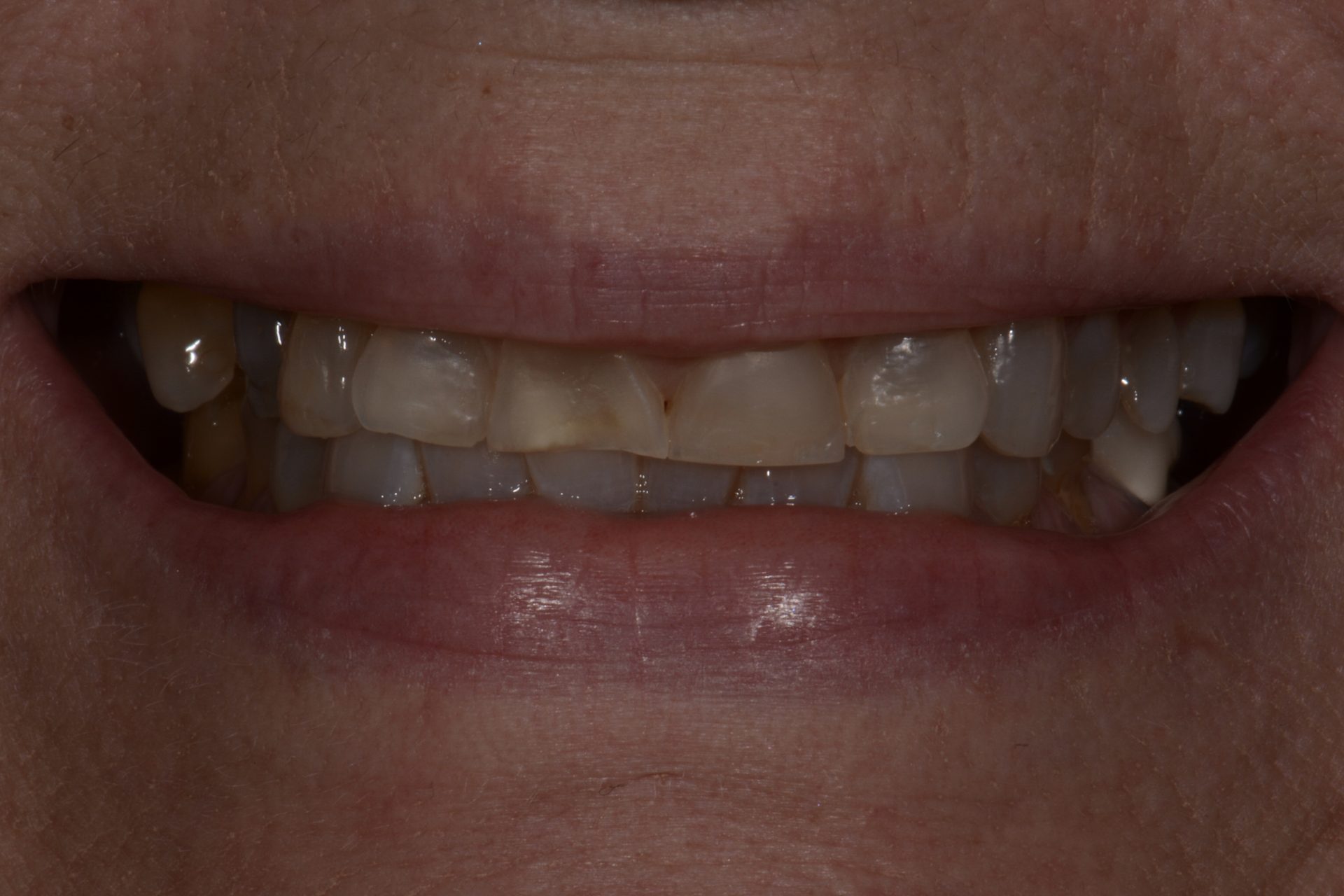
- Severely Worn Teeth: Teeth worn down from grinding (bruxism) or acid erosion may need crowns to rebuild their height and shape.
- Large, Failing Fillings: When an older filling is cracked, loose, or surrounded by new decay, replacing it with a crown may be the most durable long-term solution.
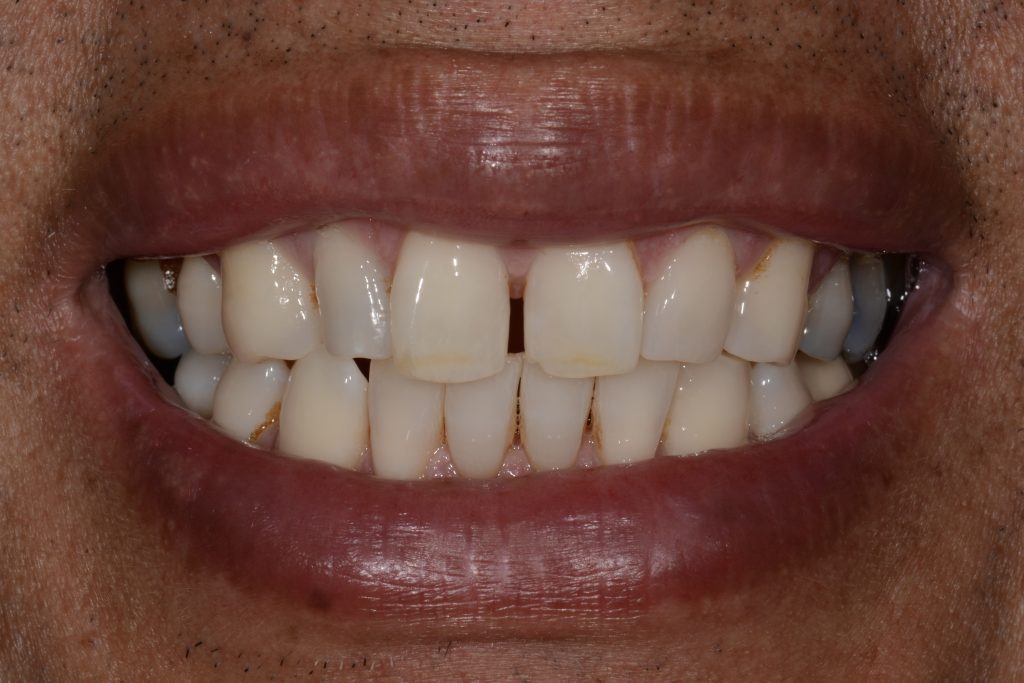
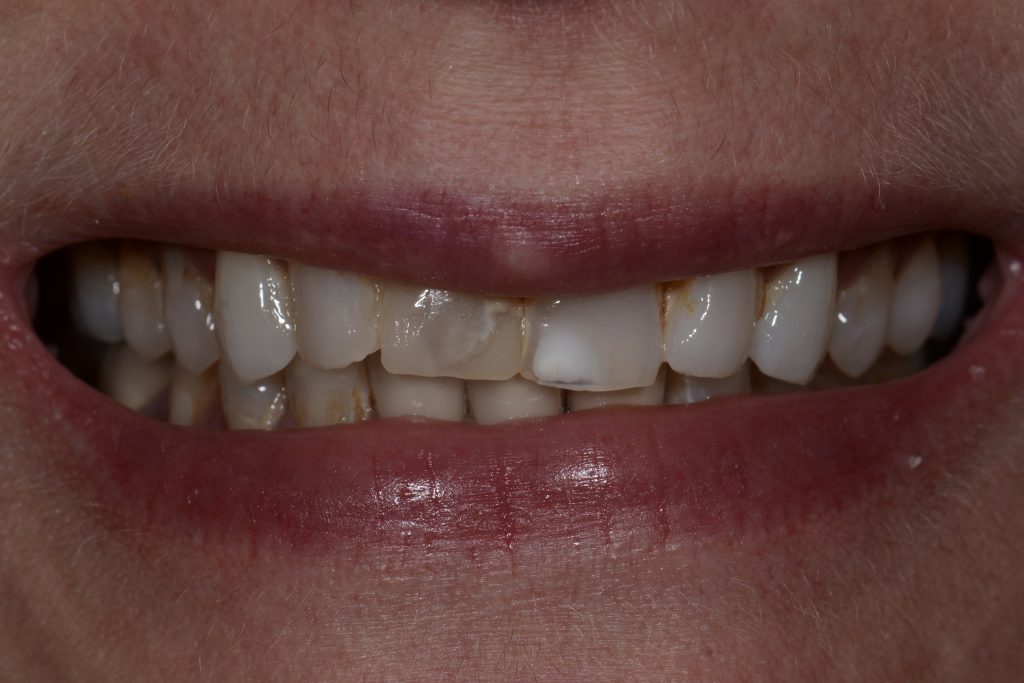
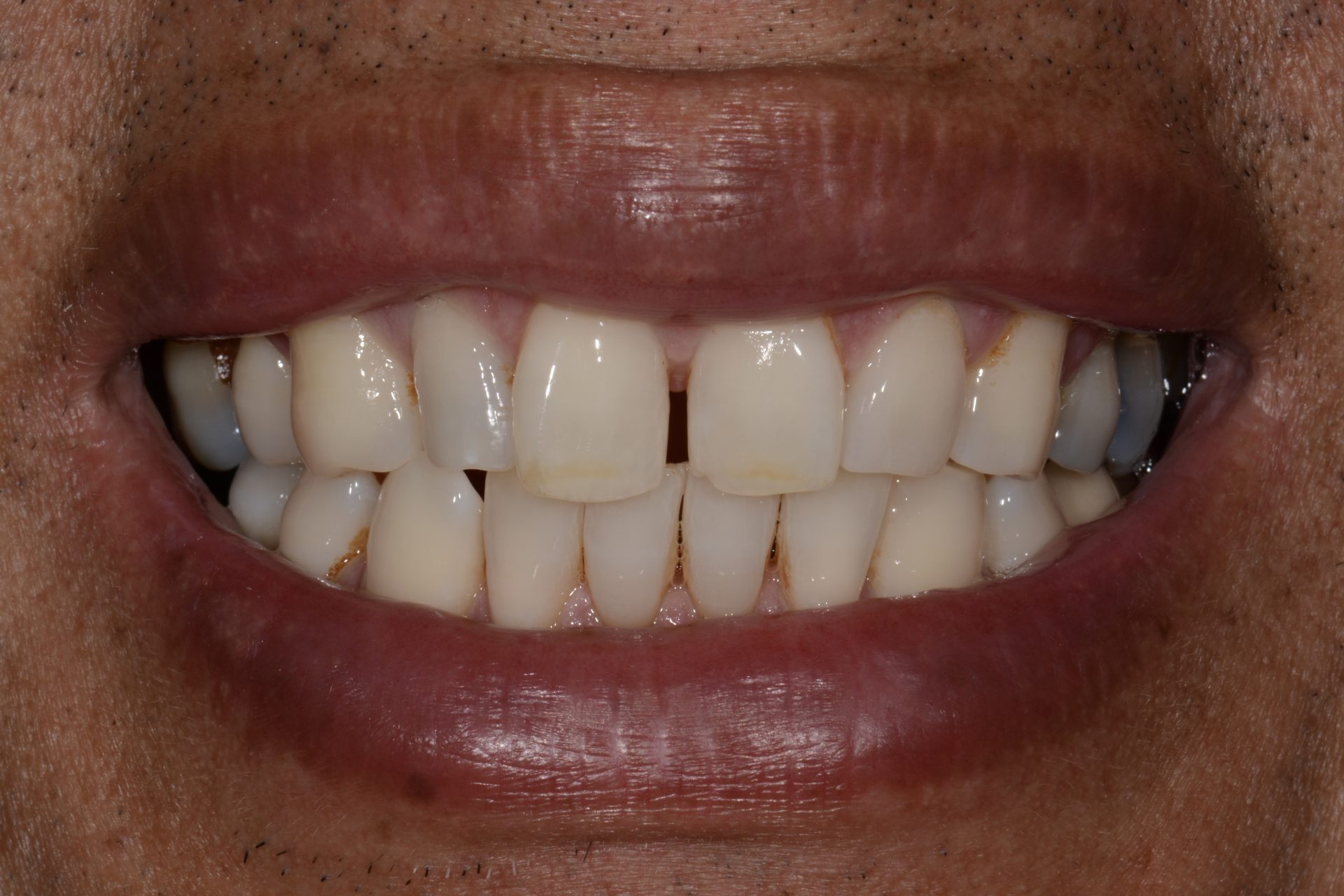
- Cosmetic Improvements: Crowns can also be used to improve the appearance of a severely discolored, misshapen, or undersized tooth when other cosmetic options aren’t suitable.
If you’re experiencing tooth pain, sensitivity, or visible damage to a tooth and you live in or near Westland, scheduling a visit with Dr. Cohen is a straightforward first move.Call (734) 261-6060 to schedule your consultation.
Types of Dental Crowns
There are several types of dental crowns available, each with its own advantages depending on the tooth’s location, the patient’s preferences, and functional demands:
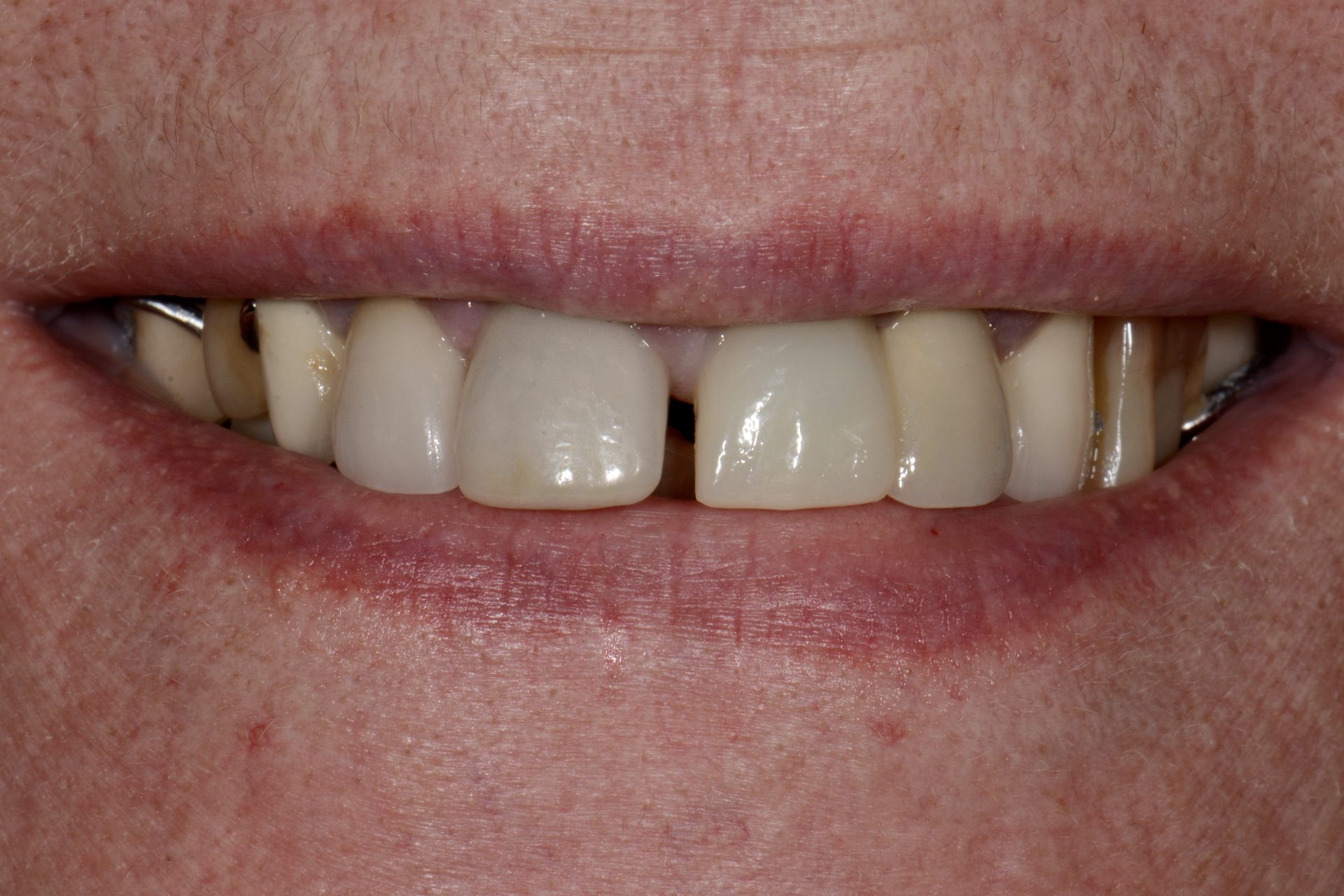
- Porcelain-Fused-to-Metal (PFM) Crowns. These crowns combine a metal substructure with a porcelain outer layer. They offer a balance of strength and aesthetics. However, the metal base can sometimes show as a dark line near the gum, making it less popular for highly visible front teeth.
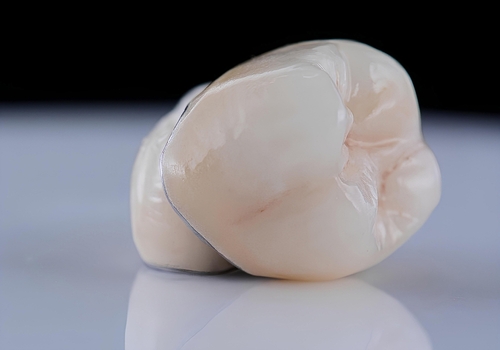
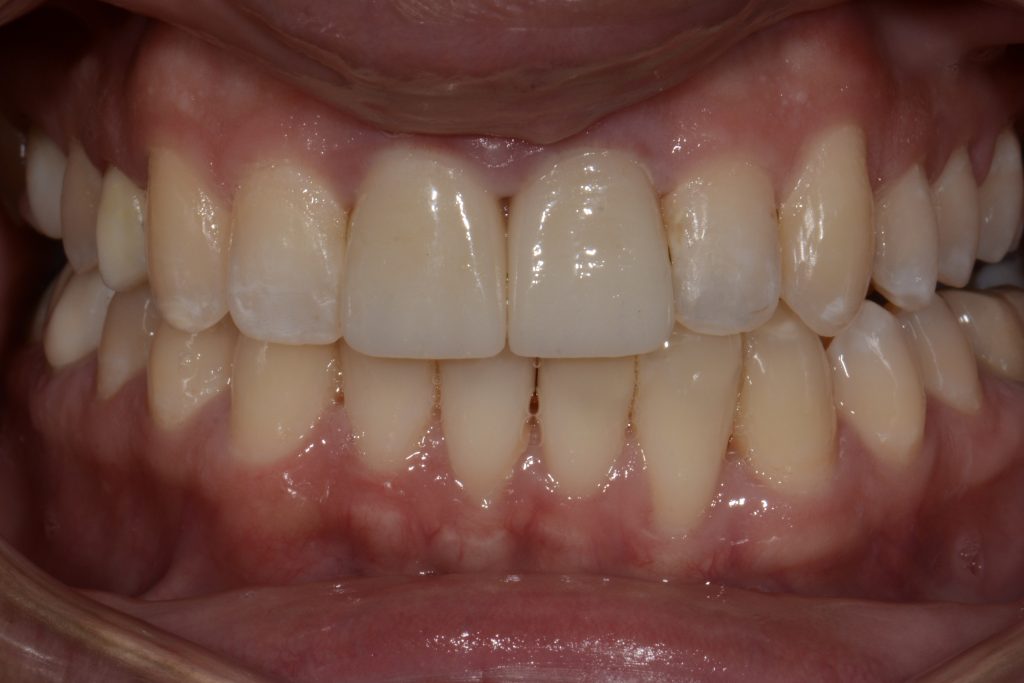
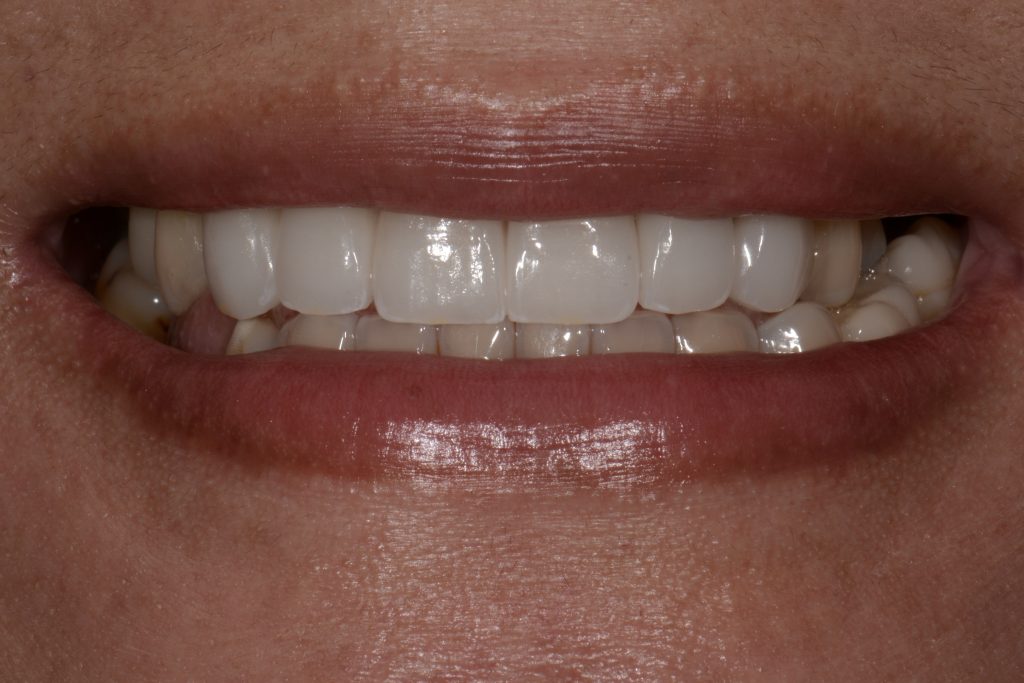
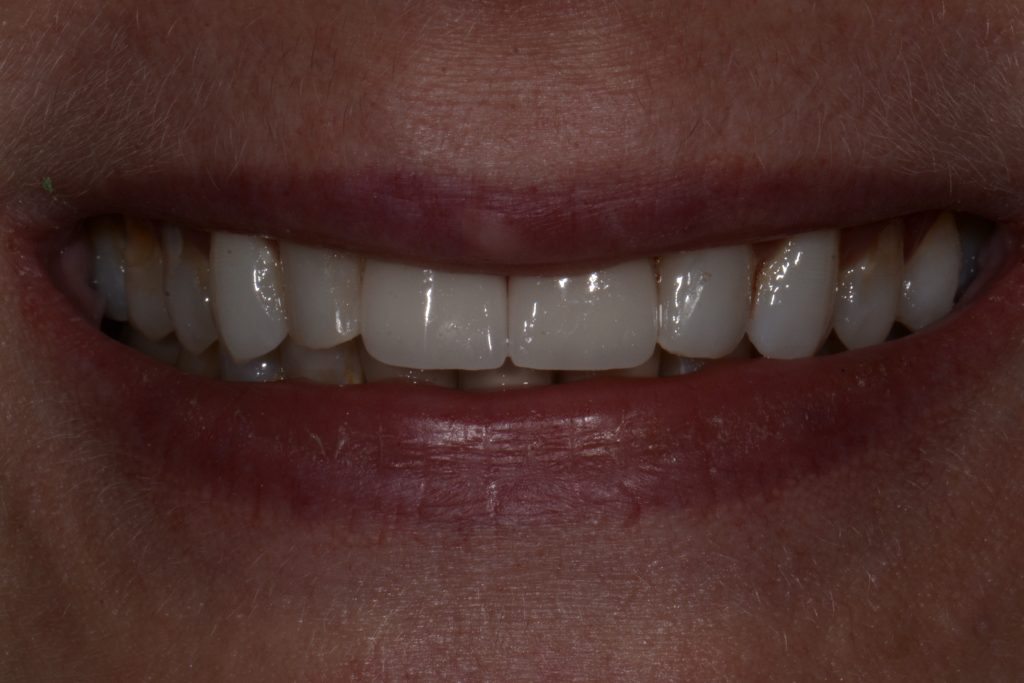
- All-Ceramic or All-Porcelain Crowns Considered the gold standard for front teeth, all-ceramic crowns provide excellent color matching and translucency that mimics natural tooth enamel. They are metal-free, making them ideal for patients with metal allergies.
- Zirconia Crowns Zirconia is an extremely durable ceramic material that has become increasingly popular for both front and back teeth. Zirconia crowns are strong enough to withstand heavy biting forces on molars while still being visually appealing.
- Metal Crowns: Gold alloy or base metal alloy crowns are extremely durable and require less tooth reduction than other types. Because of their color, they are typically reserved for out-of-sight back molars.
- CEREC Same-Day Crowns. Some dental practices now offer CAD/CAM technology that allows crowns to be milled chairside in a single appointment. Ask Dr. Cohen whether same-day crown options are available for your case.
During your consultation at Parkside Dental, Dr. Cohen will walk you through which crown type is most appropriate for your tooth and explain the pros and cons of each option in plain language.
Benefits of Porcelain Crowns
Among the crown options available, porcelain and porcelain-based crowns have become the preferred choice for many patients, and for good reason.
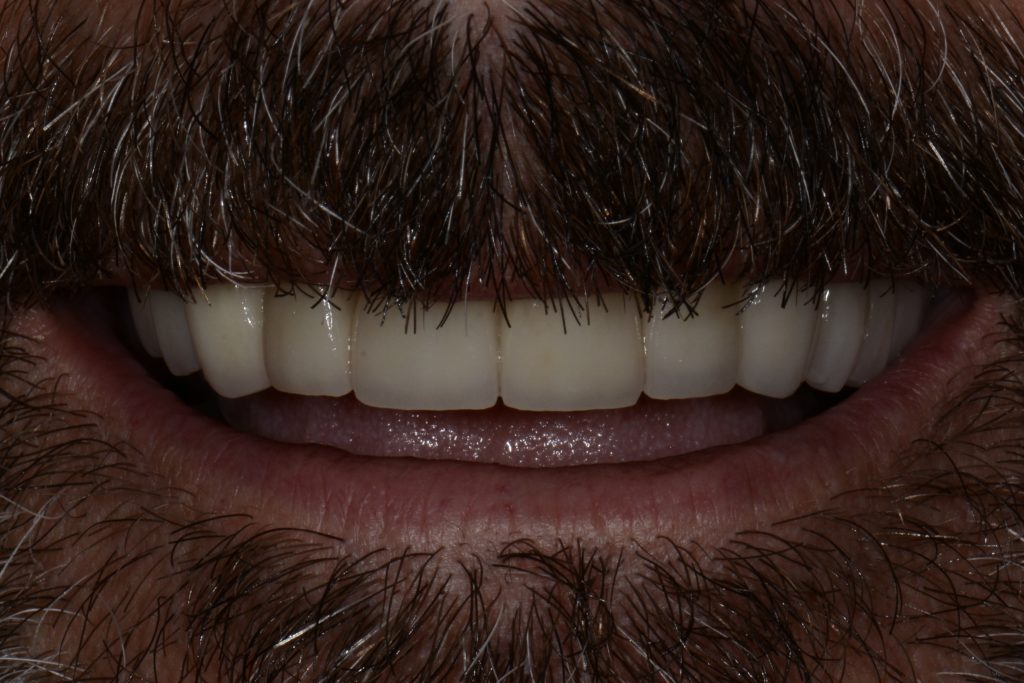
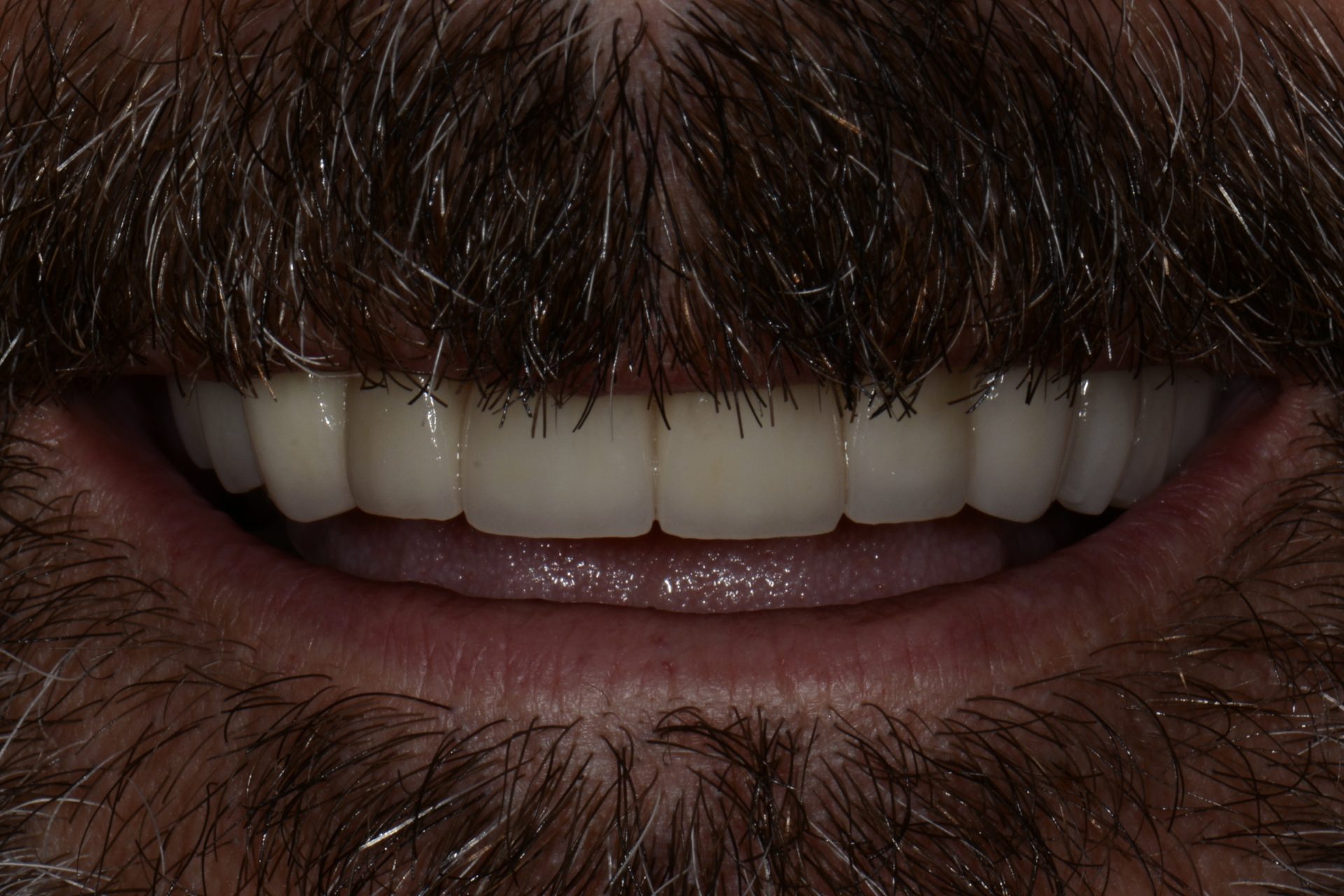
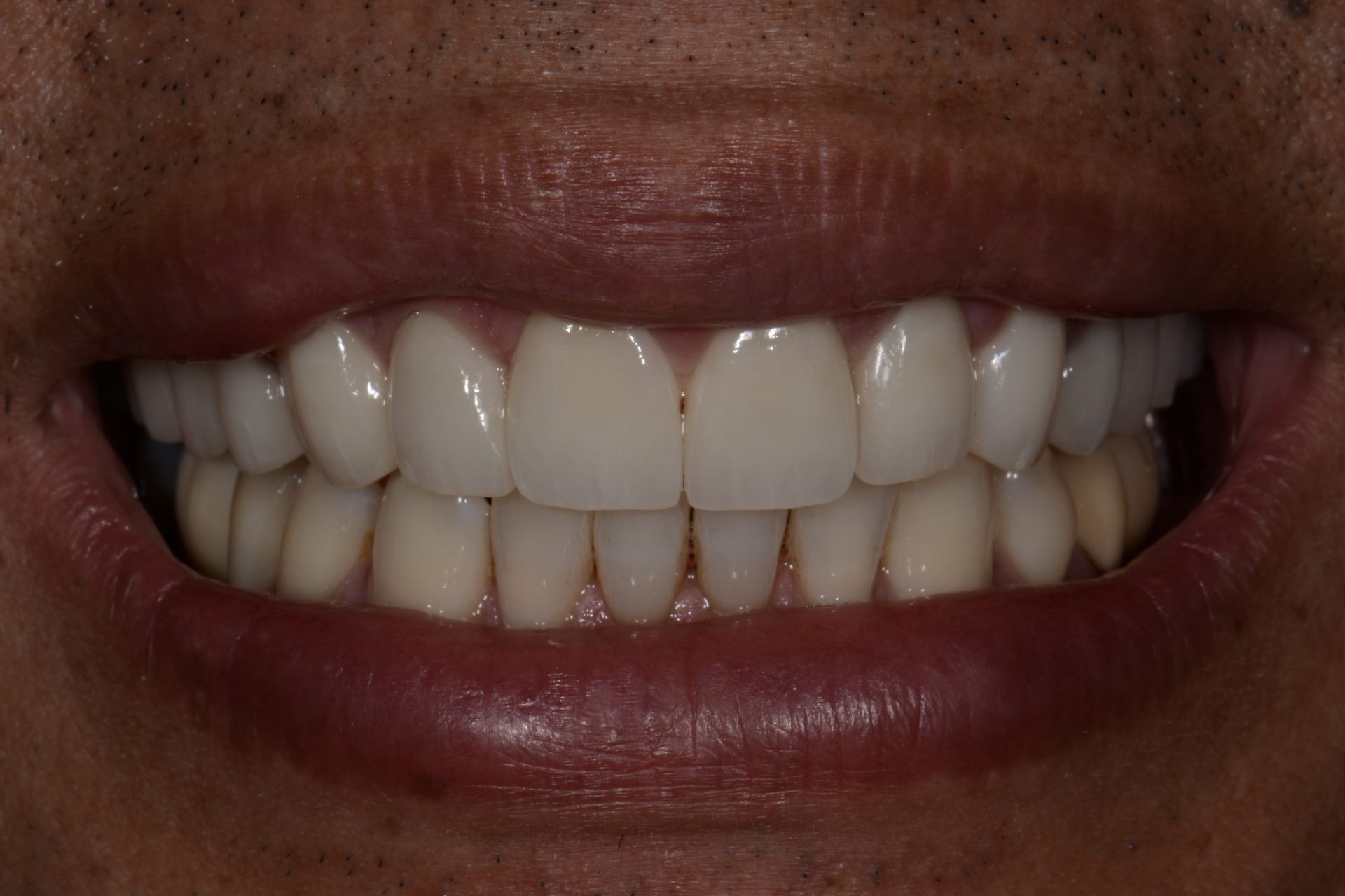
- Natural Appearance Porcelain can be shaded and contoured to match surrounding teeth almost perfectly. Whether you’re restoring a single front tooth or refreshing a smile that’s visible in every conversation, porcelain crowns blend in naturally.
- Biocompatibility Porcelain is well-tolerated by gum tissue and does not cause the sensitivity or inflammation sometimes associated with metal-based restorations.
- No Metal Line: Unlike PFM crowns, all-porcelain options eliminate the dark gum line that can appear as the gum recedes over time, keeping your smile looking clean and consistent.
- Strength and Durability Modern dental porcelain, especially when reinforced with zirconia, is strong enough to handle the bite forces placed on most teeth, including premolars and, in many cases, molars.
- Stain Resistance: High-quality porcelain resists staining better than natural enamel, meaning your crown will maintain its color with regular brushing and dental cleanings.
For Westland residents looking for restorations that look and feel natural, porcelain crowns placed by Dr. Cohen at Parkside Dental are a consistently well-received option.
The Dental Crown Process
Getting a dental crown at Parkside Dental is a well-organized process that Dr. Cohen and his team have refined to be as comfortable and efficient as possible. Here’s what to expect:
- Step 1: Initial Examination and X-Rays Dr. Cohen begins with a clinical exam and digital X-rays to assess the health of the tooth and surrounding bone. If the tooth requires a root canal or other preparatory treatment, that is addressed before the crown is placed.
- Step 2: Tooth Preparation The tooth is numbed with local anesthetic, and Dr. Cohen reshapes it by removing a thin layer of enamel from all sides to create room for the crown. The amount removed depends on the type of crown being placed.
- Step 3: Impressions An impression of the prepared tooth is taken, either digitally or with dental putty. These impressions are sent to a dental laboratory where your custom crown is fabricated, a process that typically takes one to two weeks.
- Step 4: Temporary Crown A temporary crown is placed over the prepared tooth to protect it while you wait for your permanent restoration.
- Step 5: Crown Placement When the permanent crown is ready, you return to Parkside Dental, where Dr. Cohen checks the fit, color, and bite. Once everything is confirmed, the crown is permanently cemented into place.
Most patients find the process straightforward, with minimal discomfort. Dr. Cohen takes time at each appointment to answer questions and make sure patients feel informed and comfortable throughout.
How Long Do Dental Crowns Last?
With proper care, dental crowns typically last between 10 and 20 years, and many last even longer. The lifespan of a crown depends on several factors:
- Material: Zirconia and metal crowns tend to last longer than all-porcelain restorations in high-stress areas like the back molars.
- Oral hygiene: Brushing twice daily, flossing, and keeping up with cleanings at Parkside Dental protects the margin where the crown meets the tooth, reducing the risk of decay underneath.
- Bite habits: Grinding or clenching teeth can significantly shorten crown lifespan. Dr. Cohen may recommend a custom nightguard if you show signs of bruxism.
- Location of the crown: Front teeth experience less biting force than molars, which can affect longevity.
Regular dental checkups with Dr. Cohen allow for early detection of any wear or margin issues before they become more complex problems.
Dental Crowns vs. Dental Veneers
Patients seeking cosmetic improvements sometimes wonder whether they need a crown or a veneer. While both restorations improve tooth appearance, they serve different purposes.
Porcelain veneers are thin porcelain shells bonded only to the front surface of a tooth. They require minimal tooth reduction and are ideal for addressing discoloration, minor chips, small gaps, or slight misalignment on healthy front teeth.
Crowns cover the entire tooth and require more preparation. They are the right choice when the tooth is structurally compromised, has a large filling, is cracked, or has been treated with a root canal.
If your tooth is healthy but cosmetically flawed, a veneer may be the more conservative option. If the tooth is damaged or weakened, a crown provides the protection it needs. Dr. Cohen will assess your specific situation and give you a clear, honest recommendation during your consultation at Parkside Dental.
Dental Crown Cost
The cost of a dental crown varies depending on the material, the complexity of the case, and whether any preparatory treatment is needed. At Parkside Dental, patients can expect:
- Porcelain-fused-to-metal crowns Generally range from $900 to $1,500 per tooth.
- All-ceramic or zirconia crowns: Typically range from $1,000 to $1,800 per tooth.
- Metal crowns: Often cost between $800 and $1,400 per tooth.
These are general ranges, and your specific treatment plan will include a detailed cost estimate. Most dental insurance plans cover a portion of crown costs when the procedure is deemed medically necessary. Dr. Cohen’s team at Parkside Dental works directly with insurance providers and can help you understand your benefits before treatment begins.
Flexible payment options may also be available for patients who prefer to spread out costs over time. The front desk team is happy to walk you through financing options during your visit.