Dental Bridges in Westland, MI

Our Westland Dentist Can Replace Your Missing Teeth

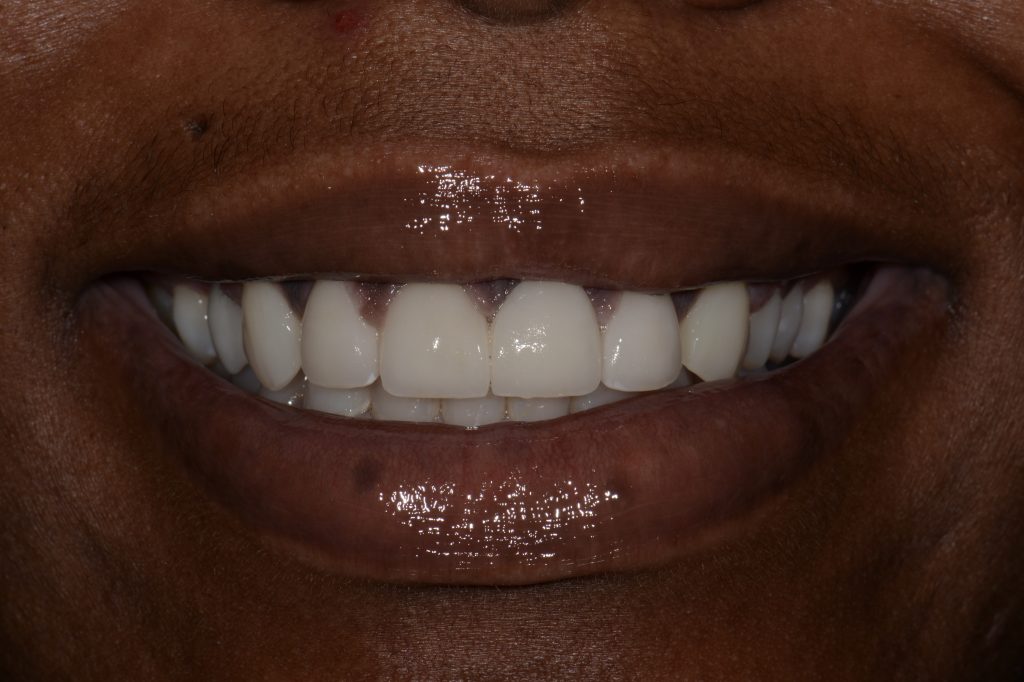
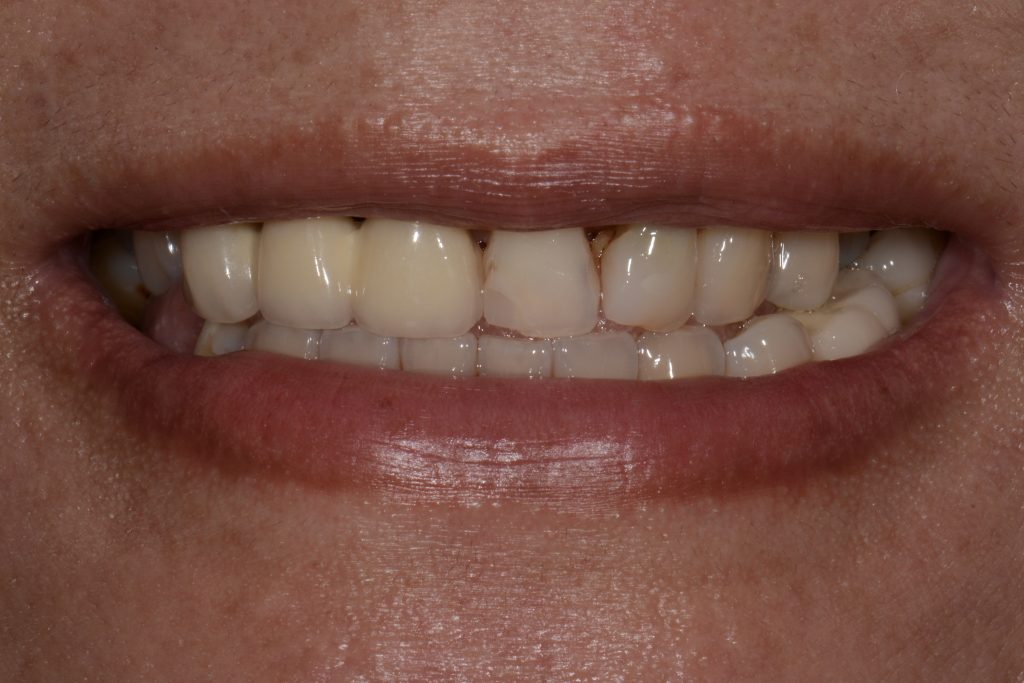
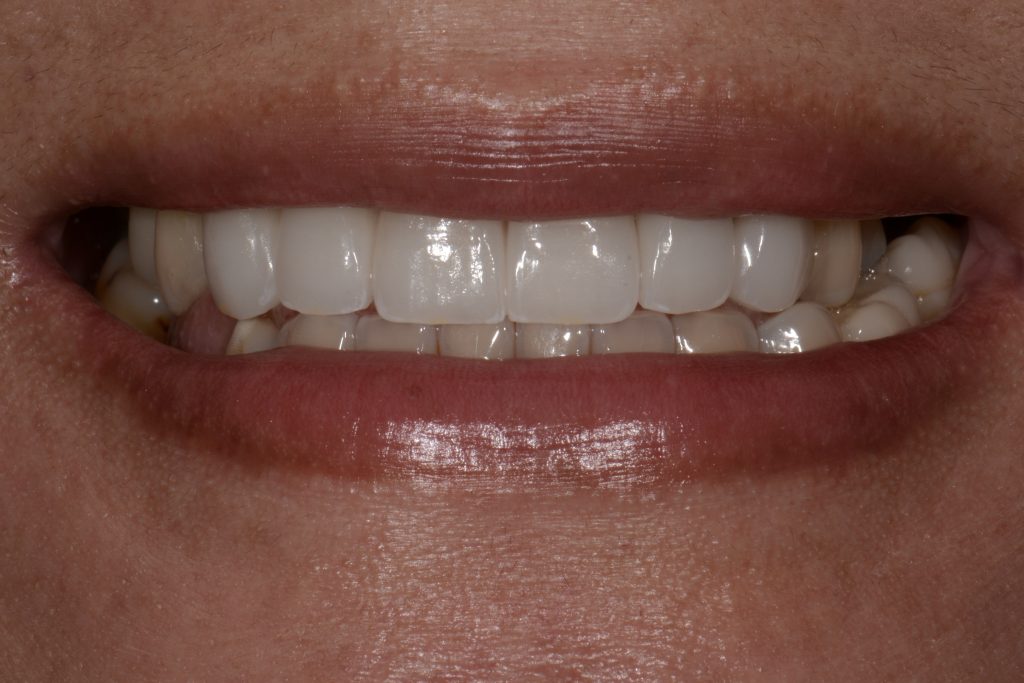
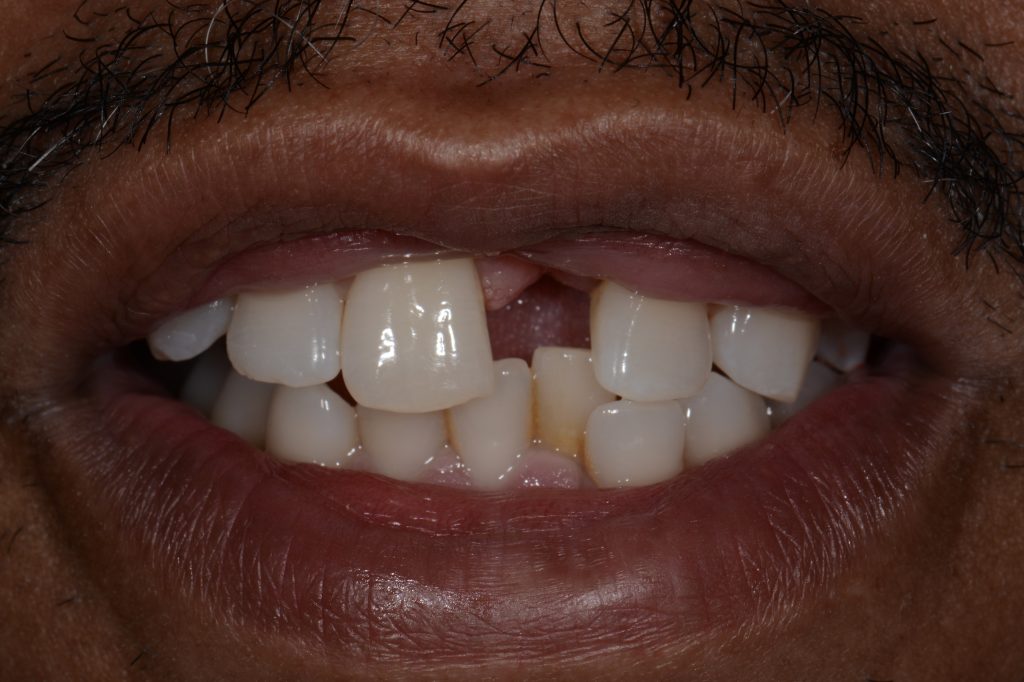
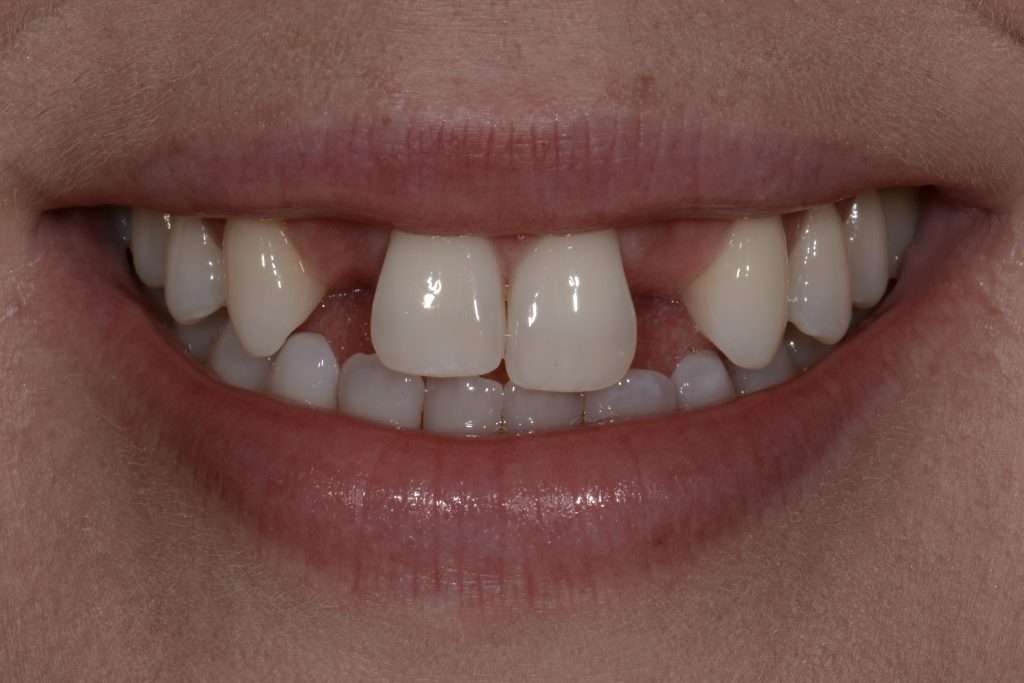
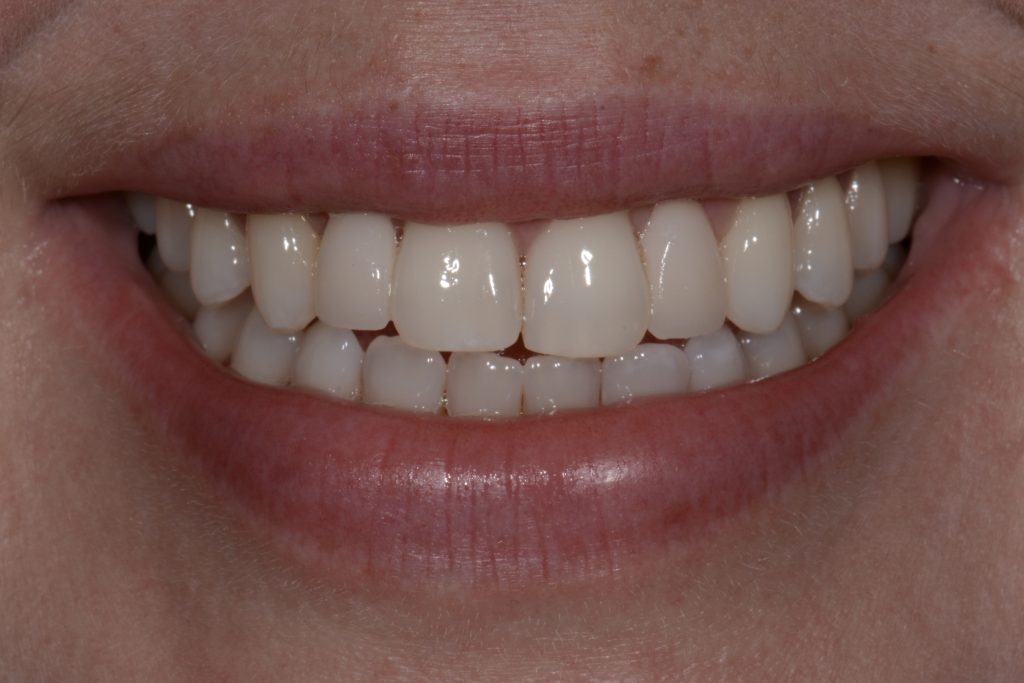
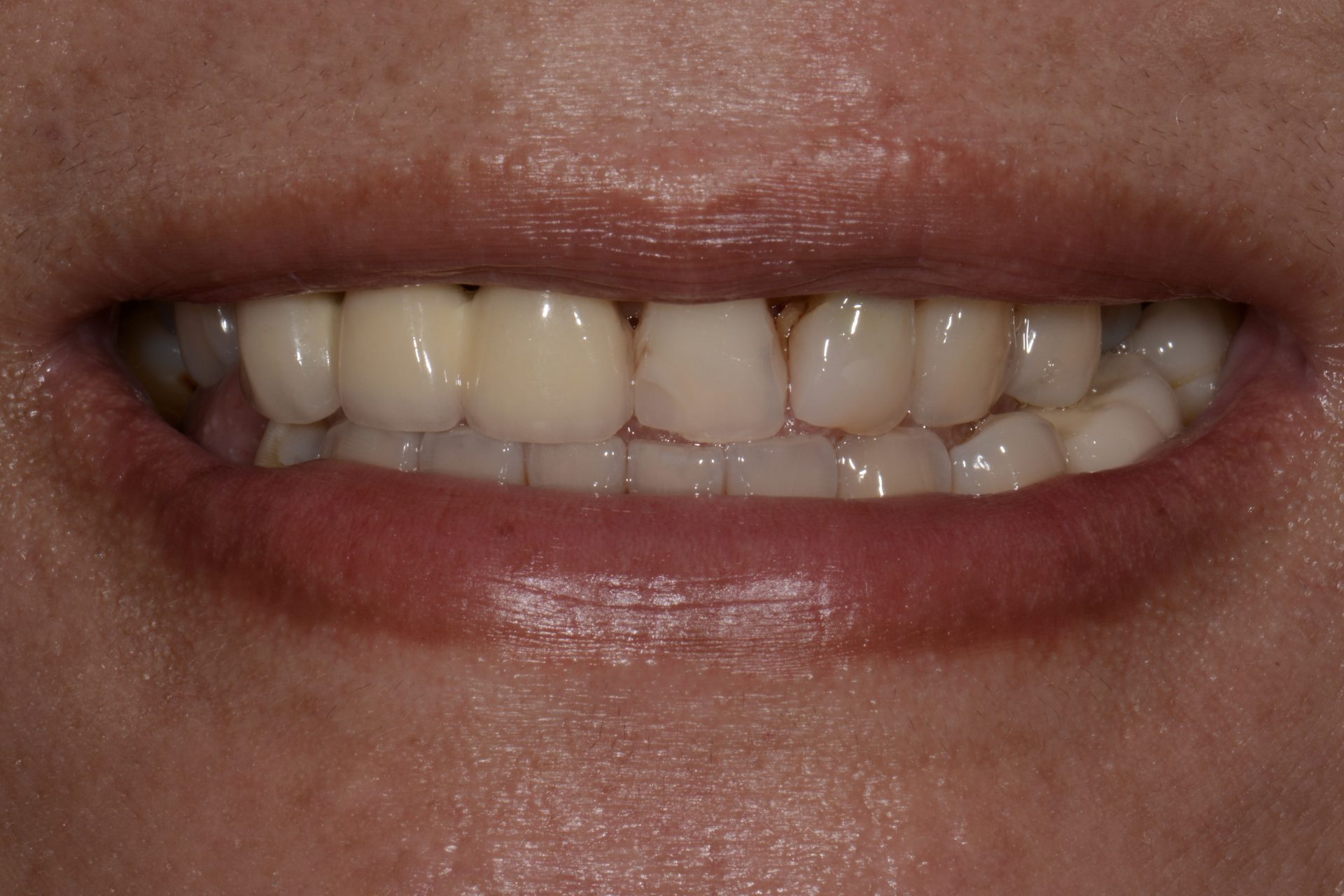
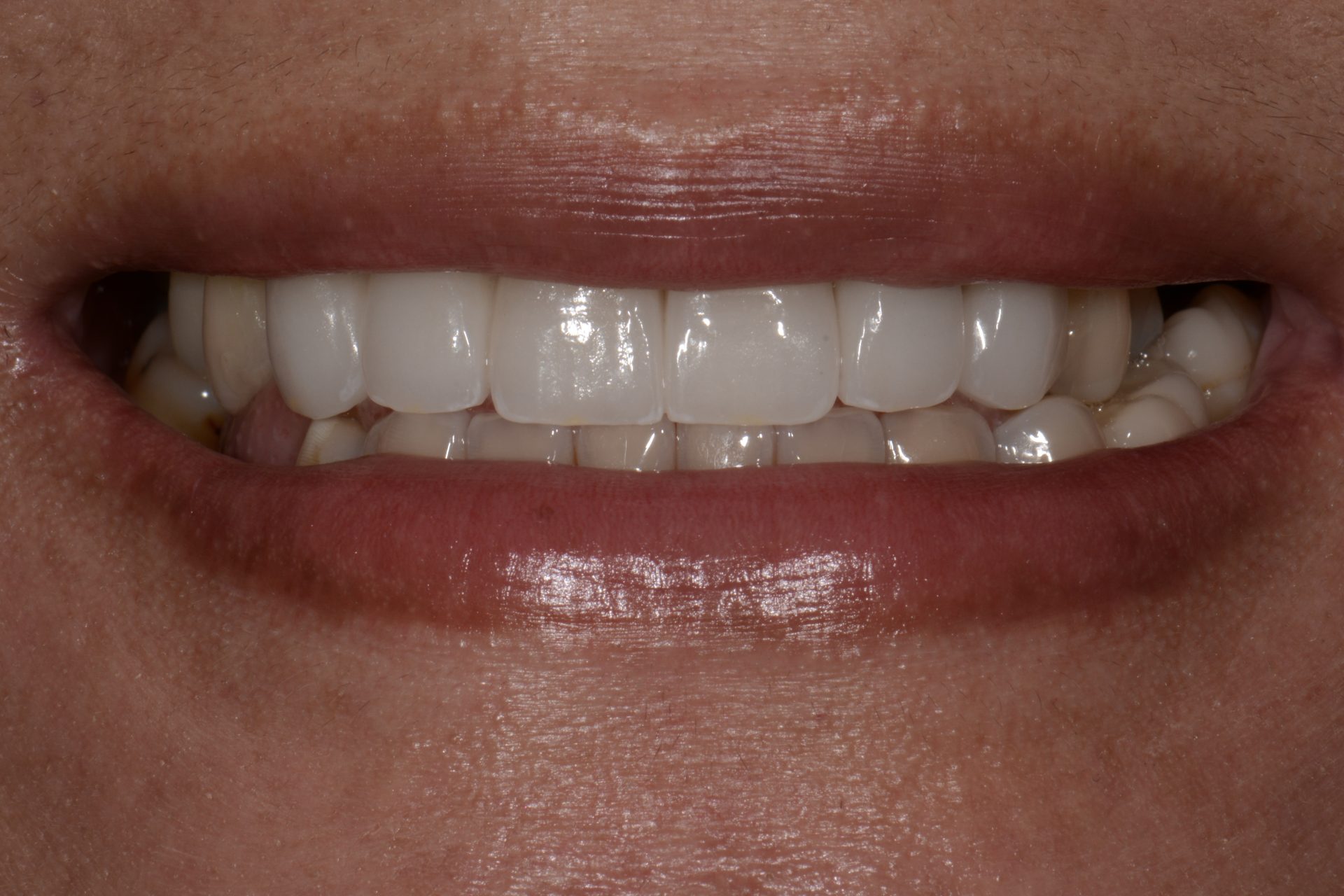
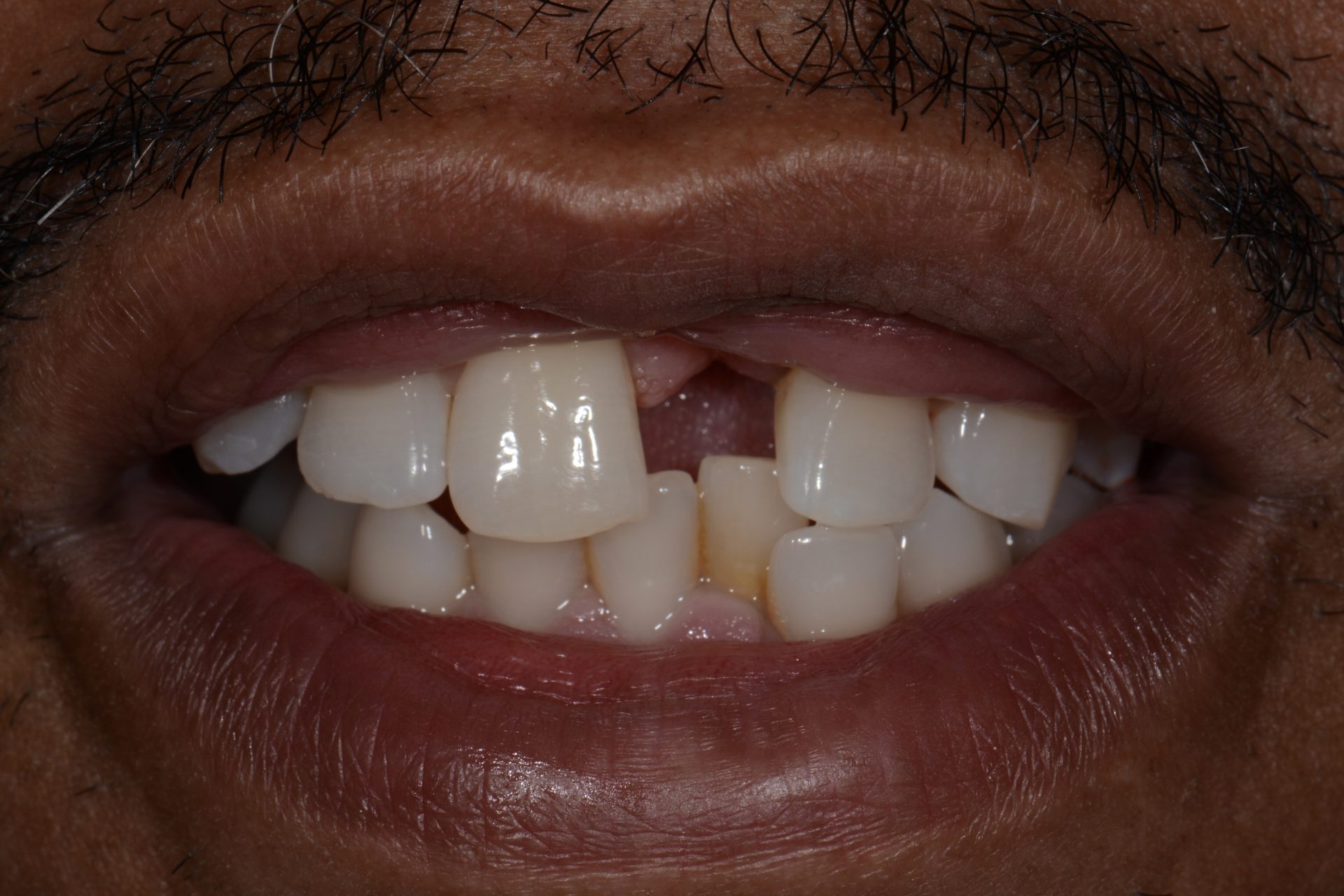
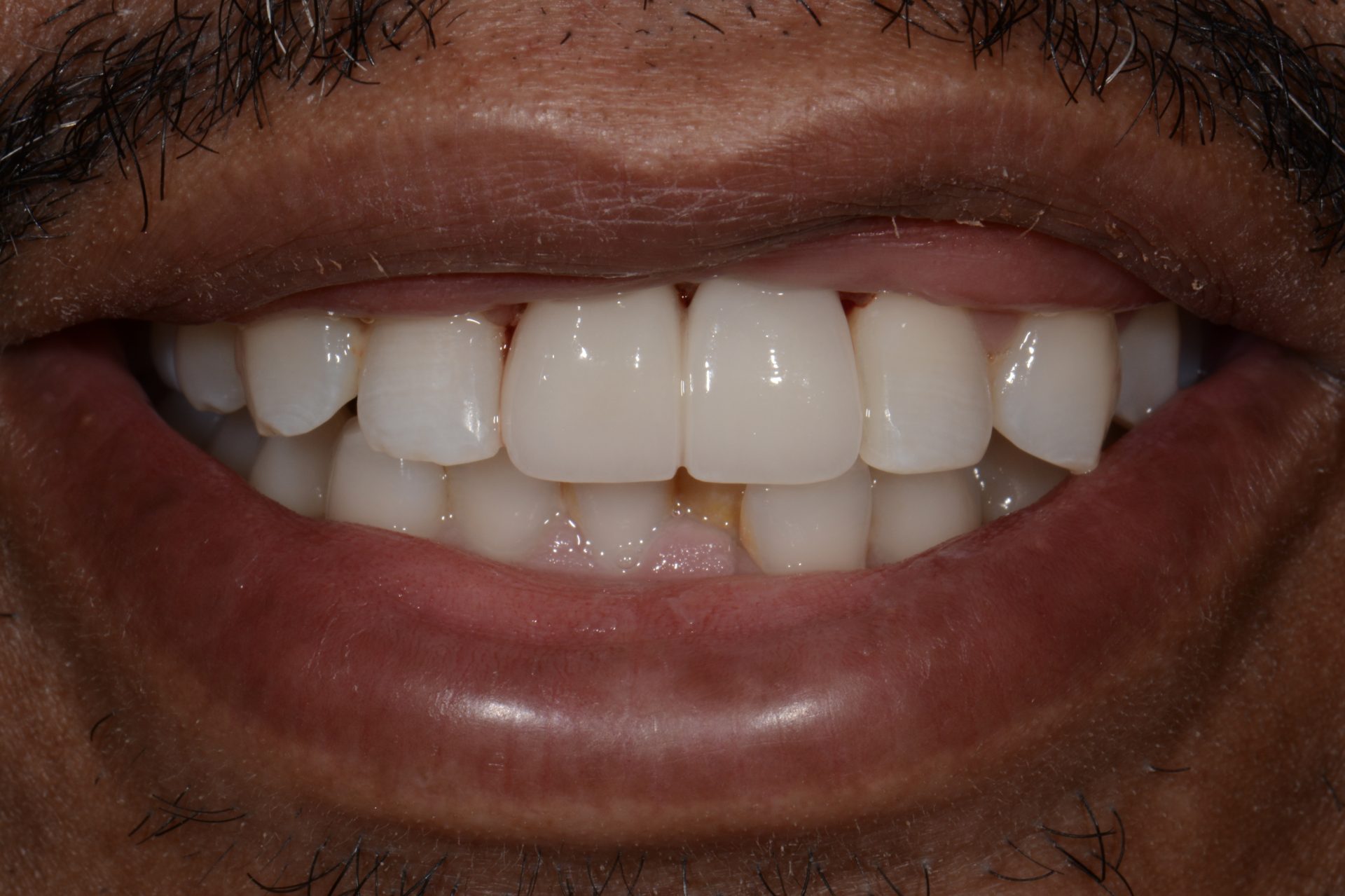
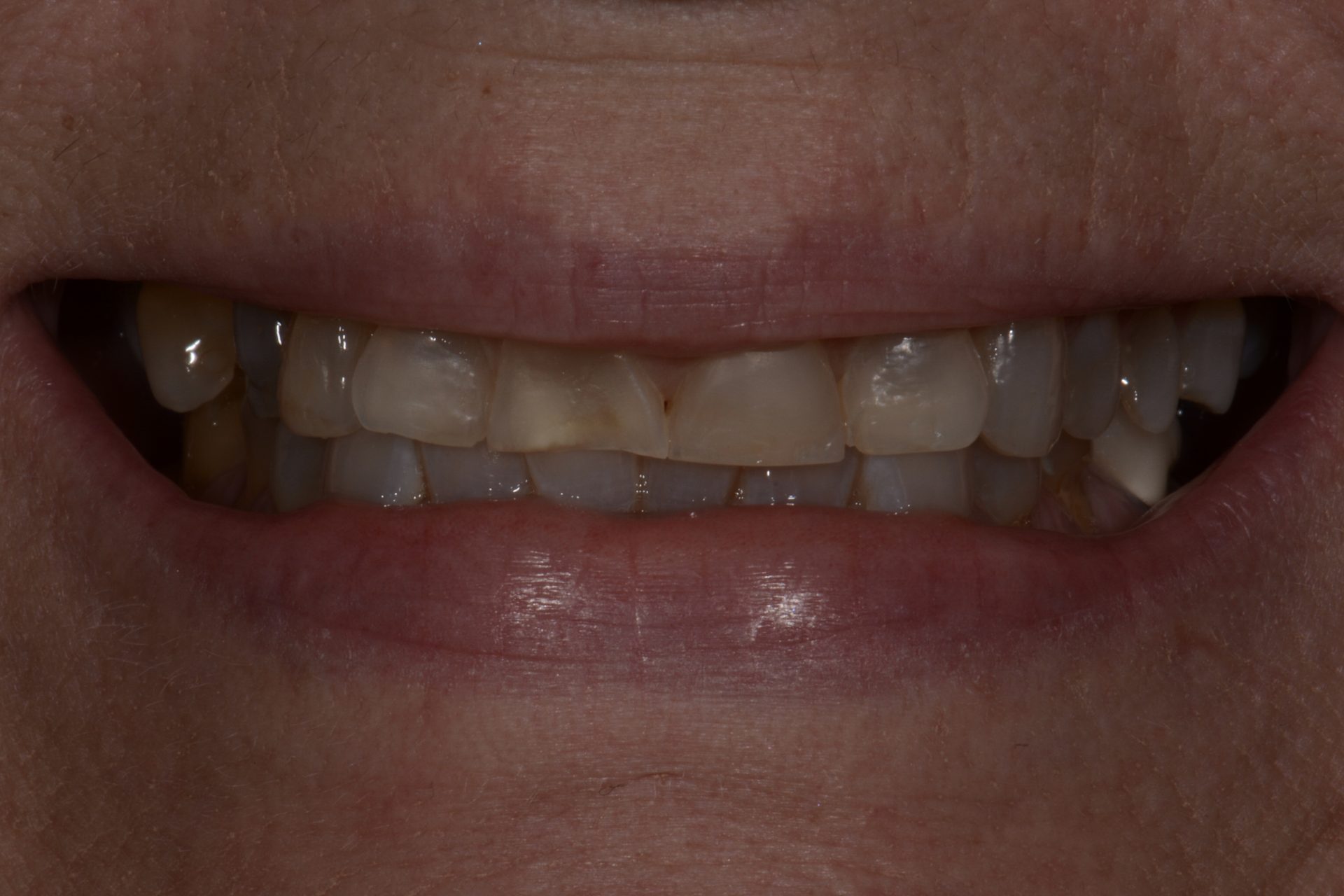
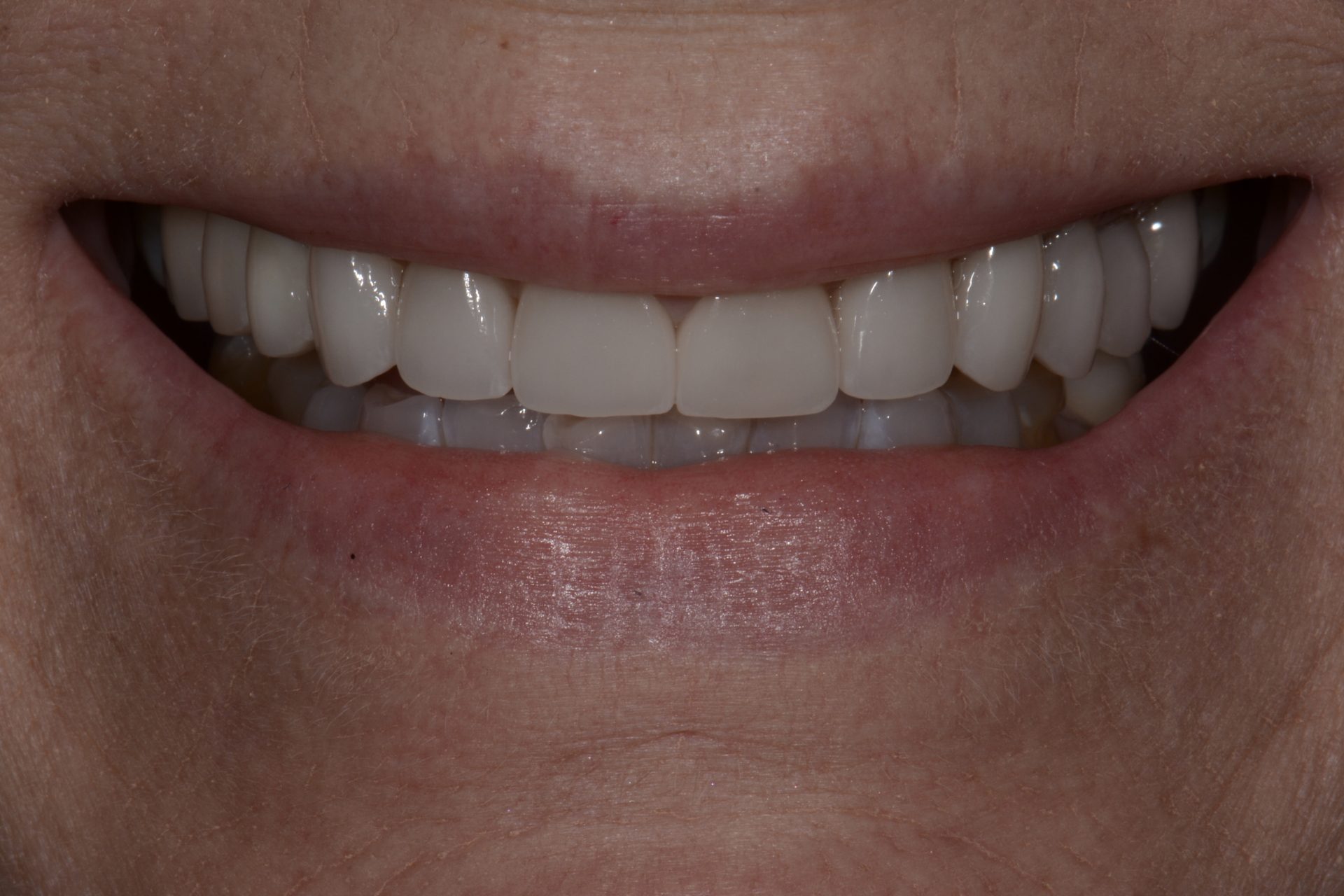
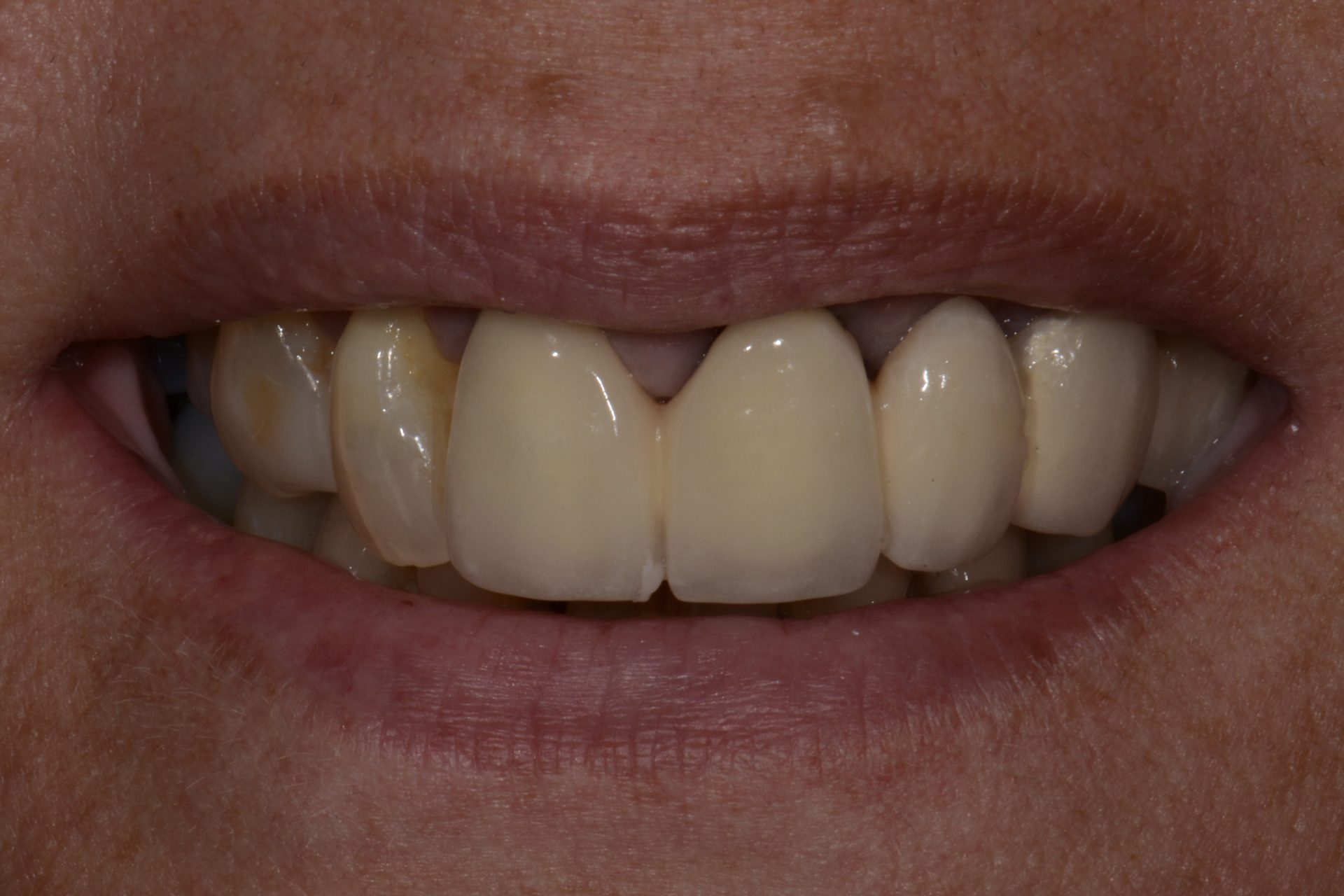
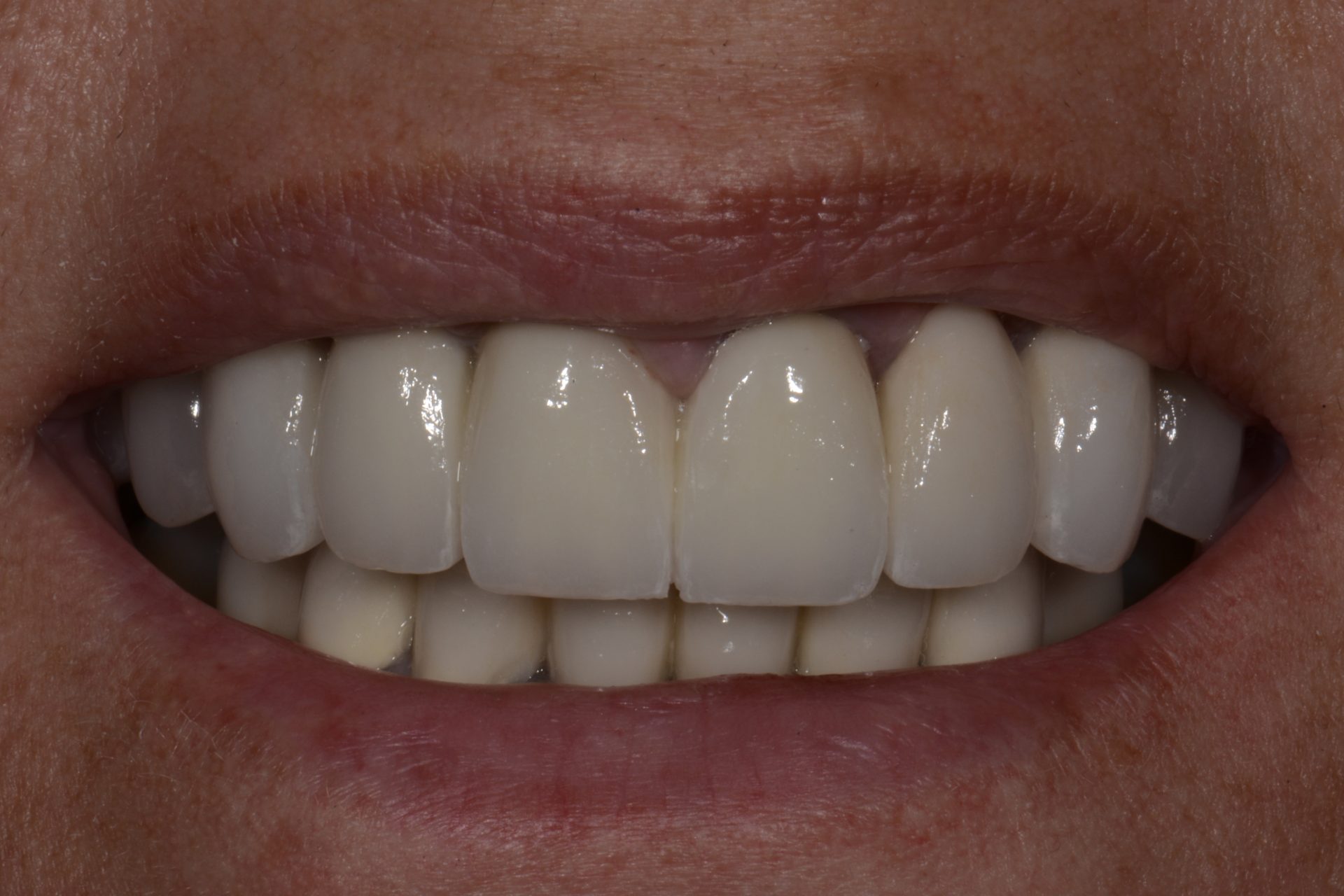
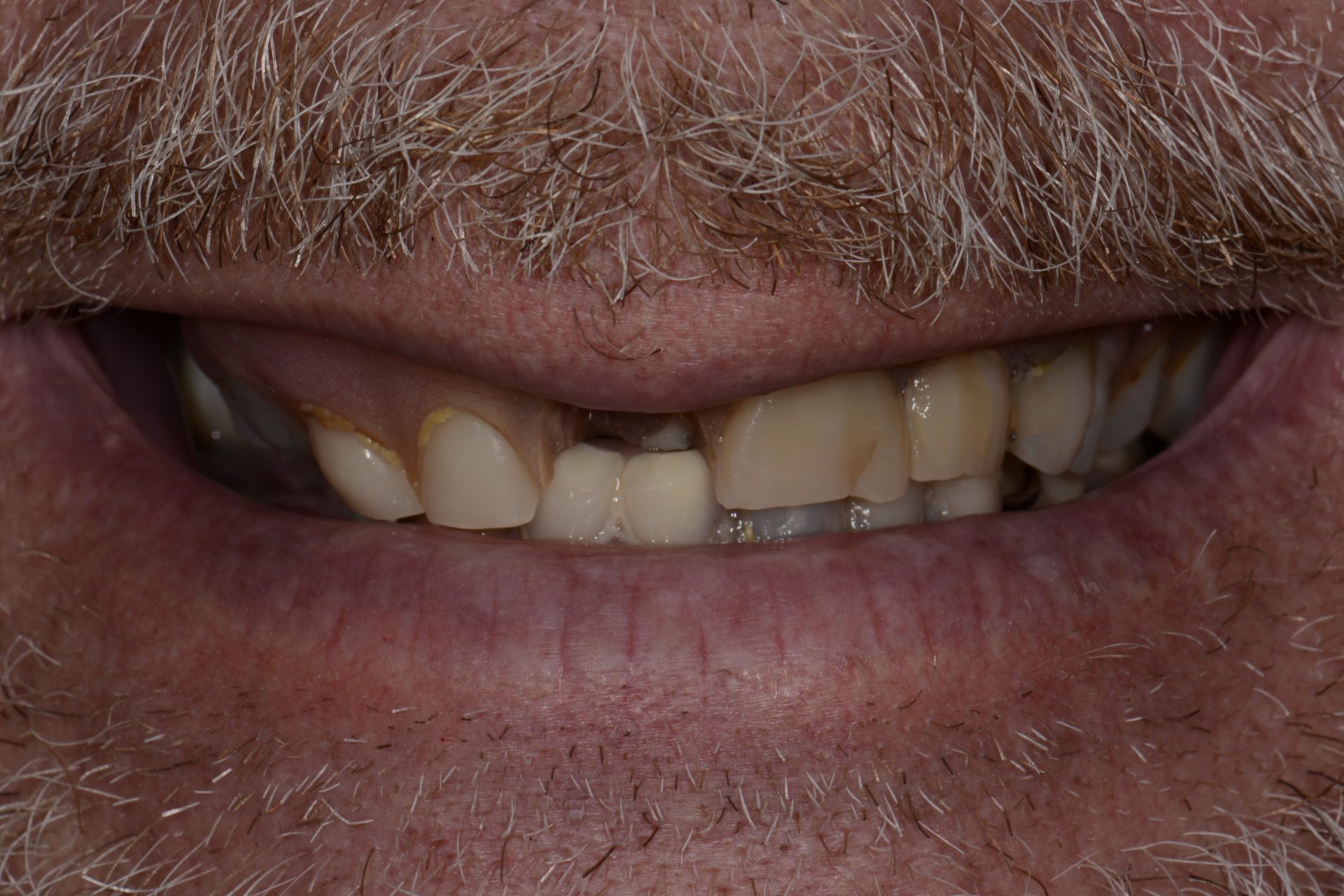
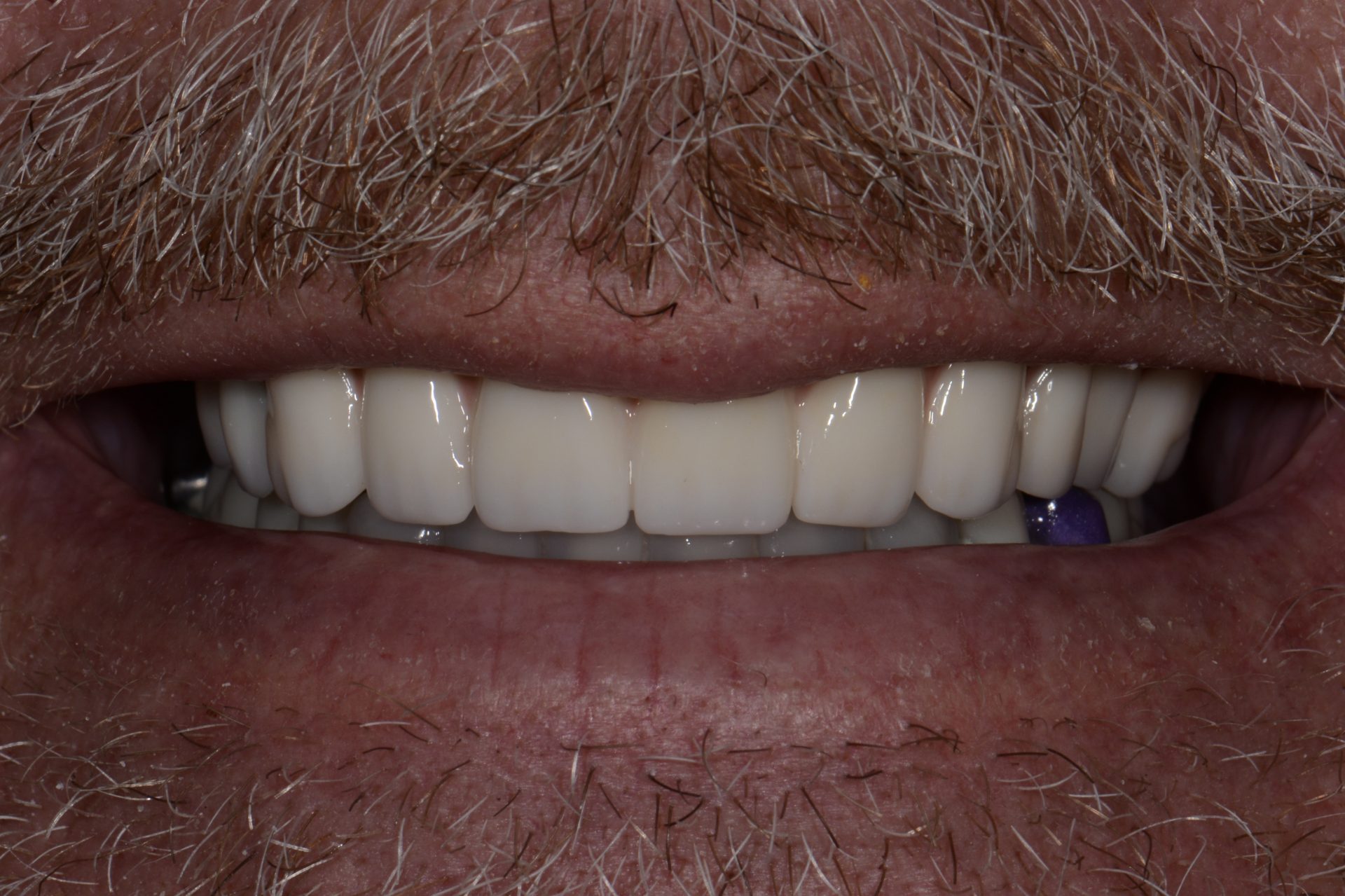
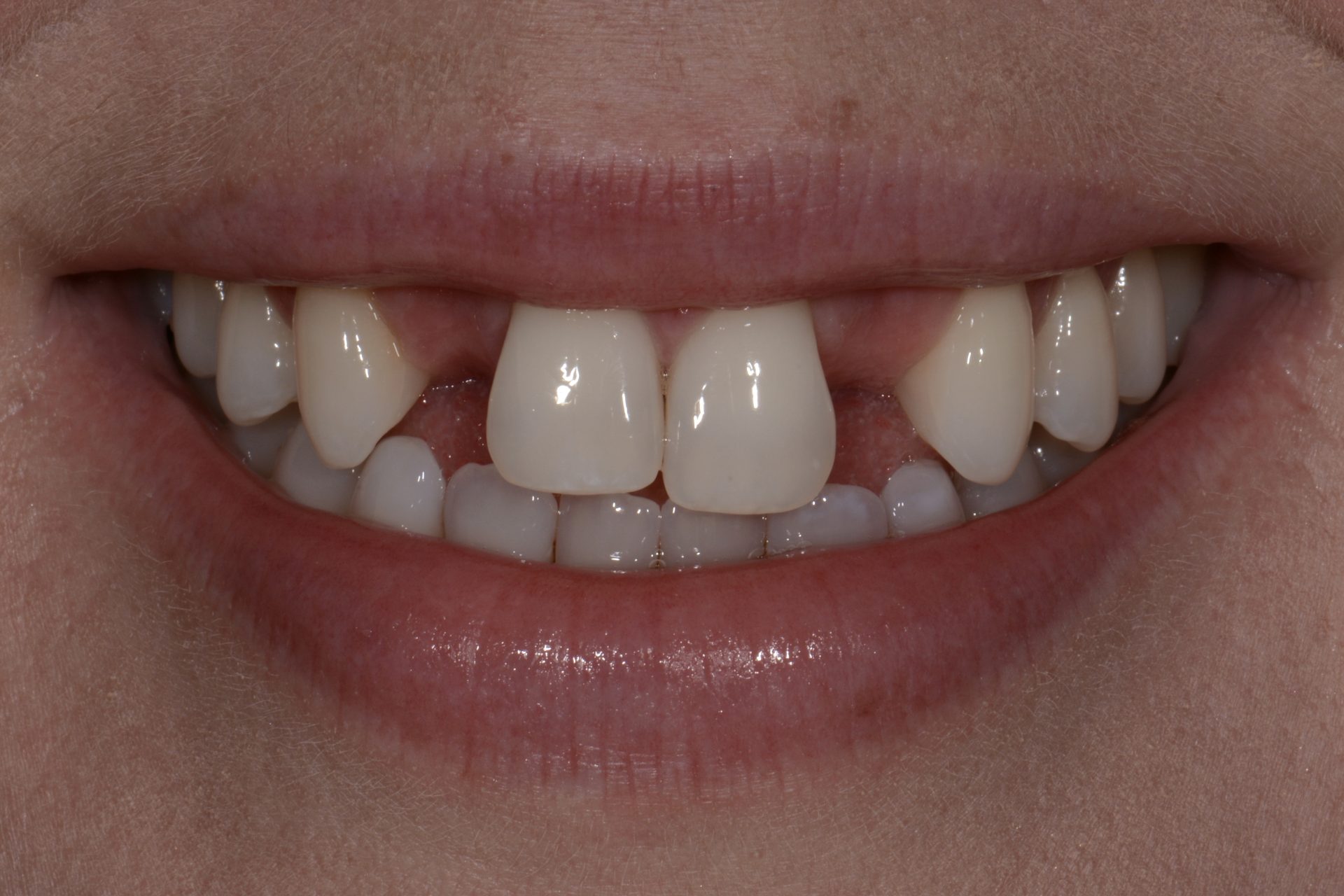
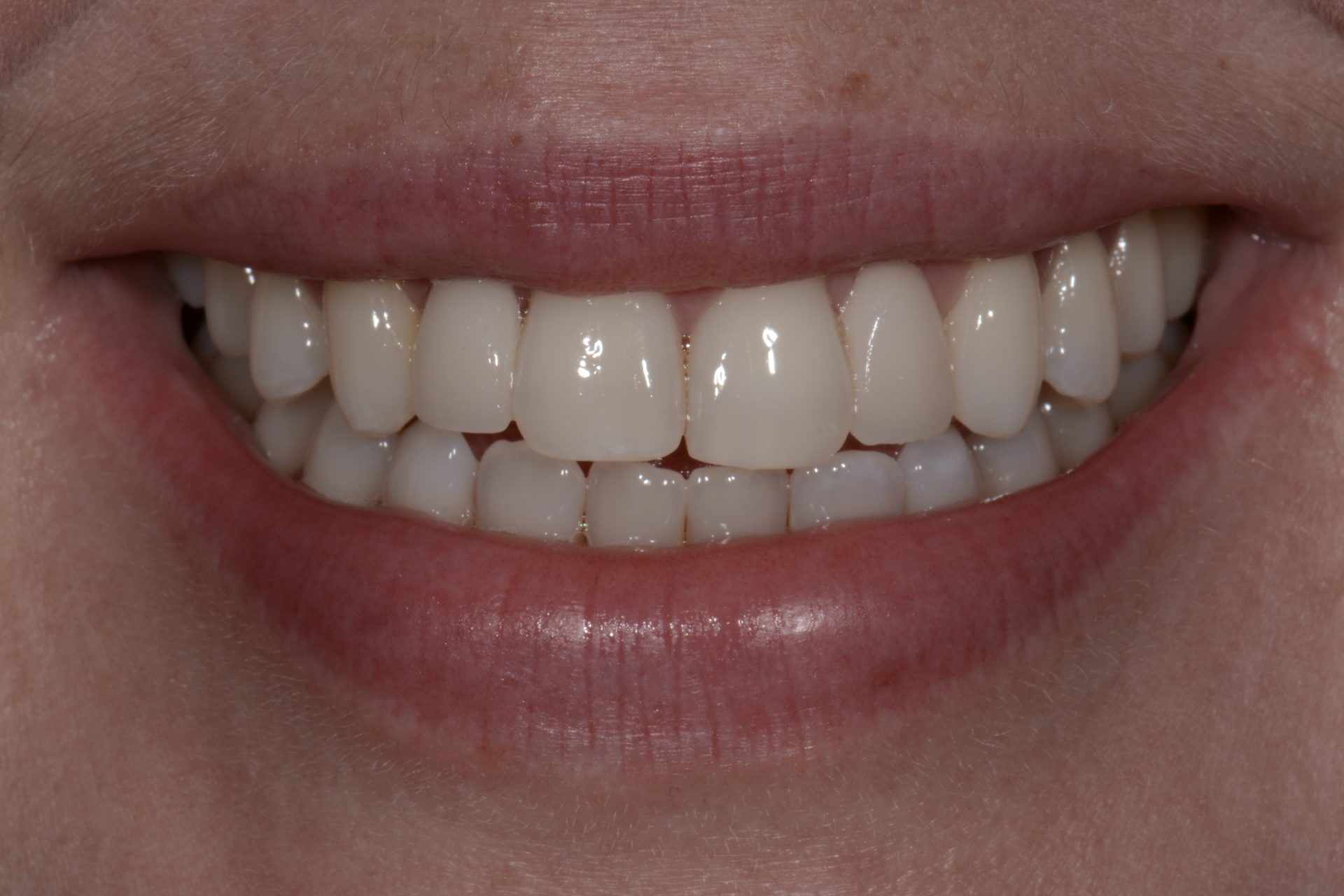
Missing a tooth can be a significant blow to your confidence, impacting your smile, speech, and ability to enjoy your favorite foods. Fortunately, dental bridges provide a reliable and lasting solution to restore your smile and maintain your oral health. Whether you’ve lost a tooth due to injury, decay, or other dental issues, a dental bridge can seamlessly fill the gap, blending aesthetics with functionality.

Are you ready to replace your lost teeth? Contact our Westland dentist near you today by calling (734) 261-6060. We welcome new patients at Parkside Dental.

dental bridges in Westland

Meet Dr. Daniel Rogers

Dr. Daniel Rogers was born and raised in Detroit and graduated from the University of Detroit School of Dentistry in 1974. He practices all aspects of General Dentistry and specializes in dental implants. Dr. Rogers is a member of the American Dental Association, the Michigan Dental Association, and the Detroit District Dental Society, and has taken many post-graduate courses in the placement and restoration of Dental Implants. In his spare time, Dr. Rogers enjoys boating and working out.

Dr. Rogers - Westland dentist
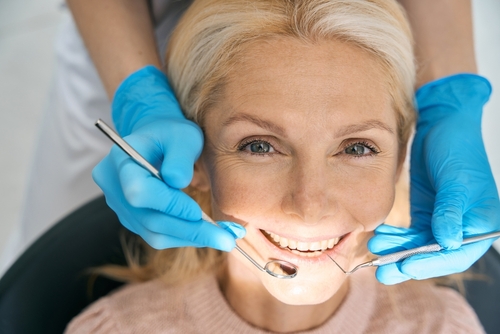
dental checkups at Parkside Dental

What Is a Dental Bridge?

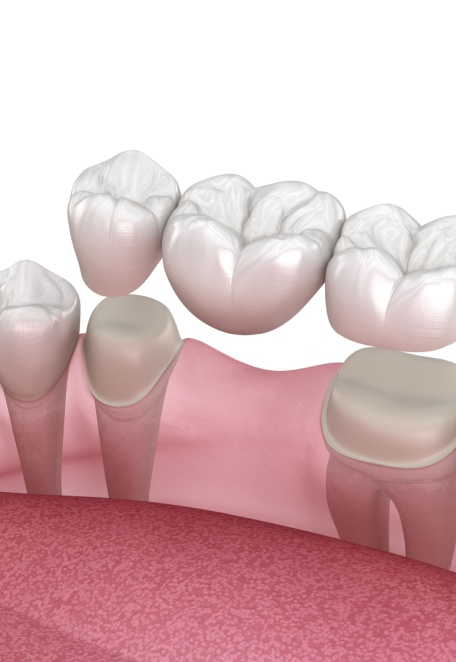
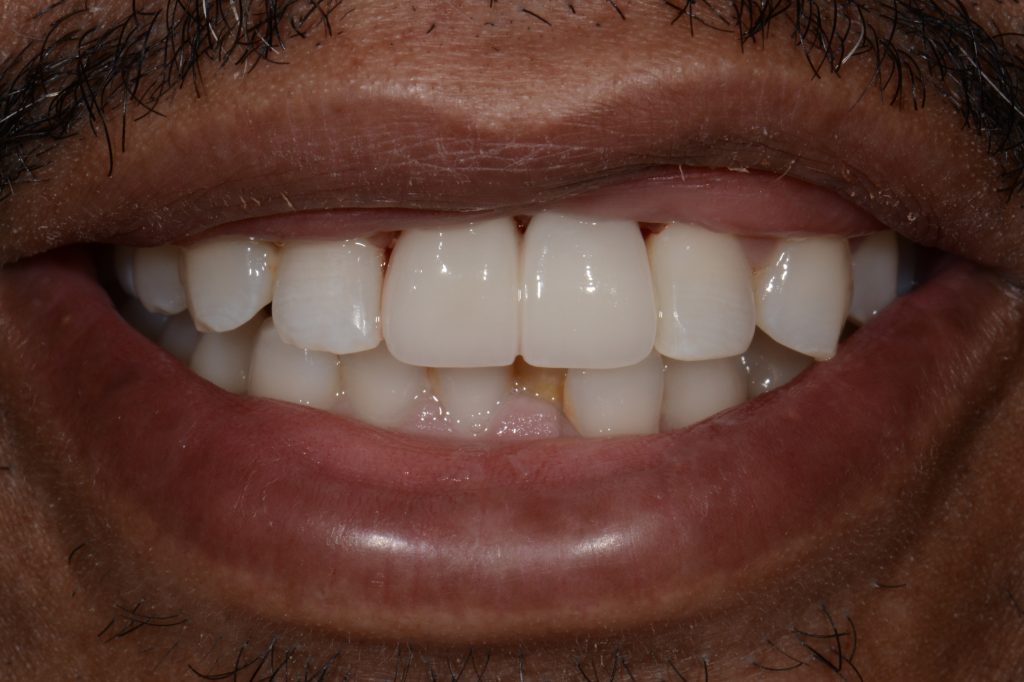
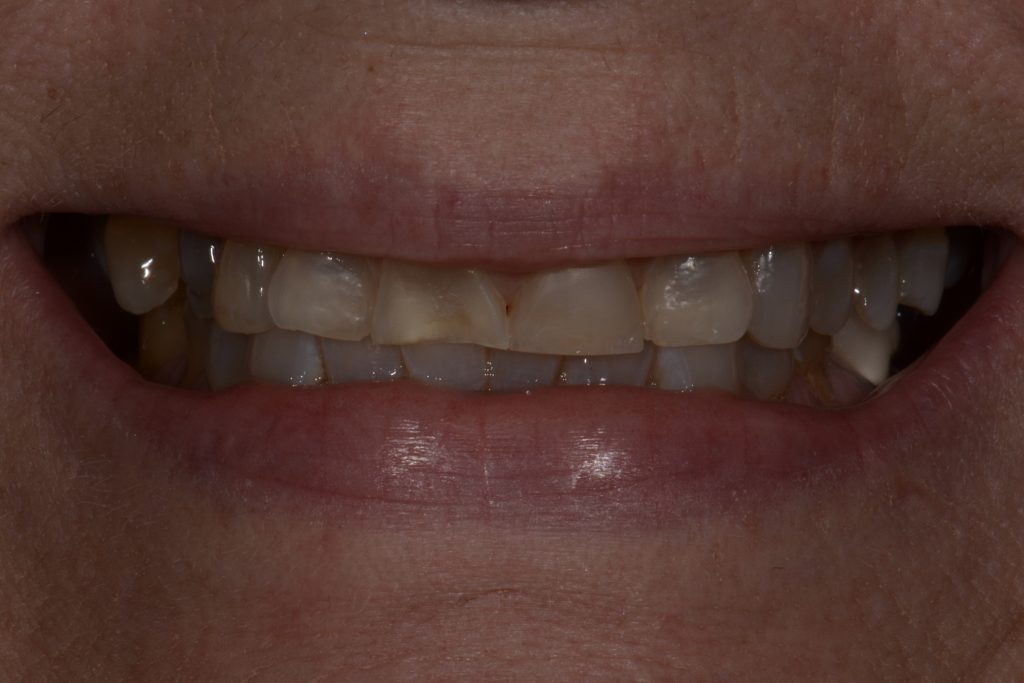
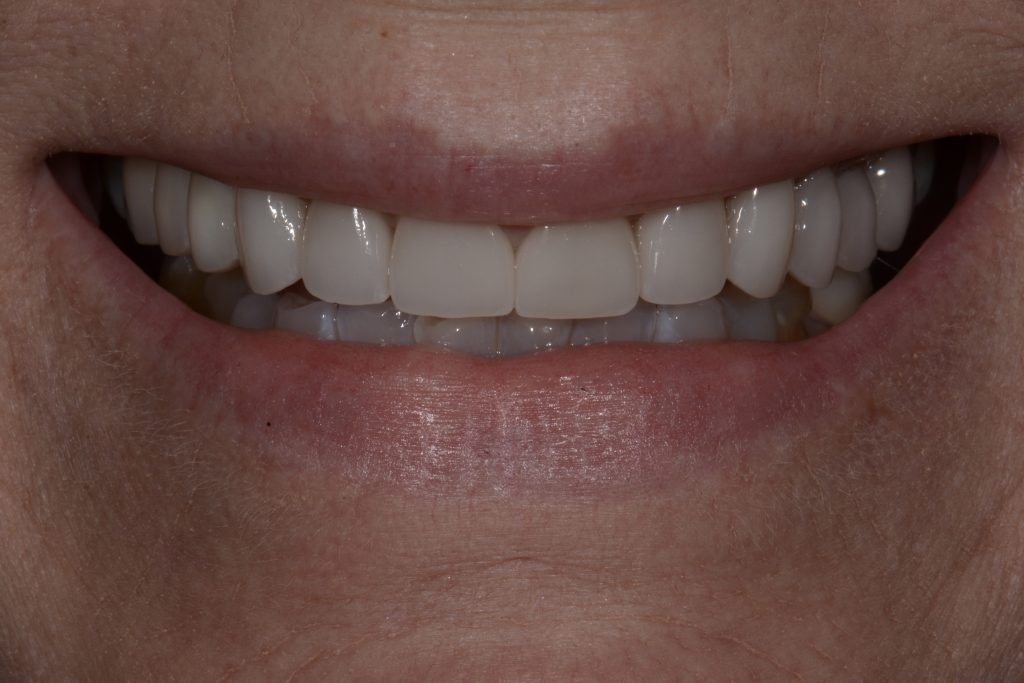
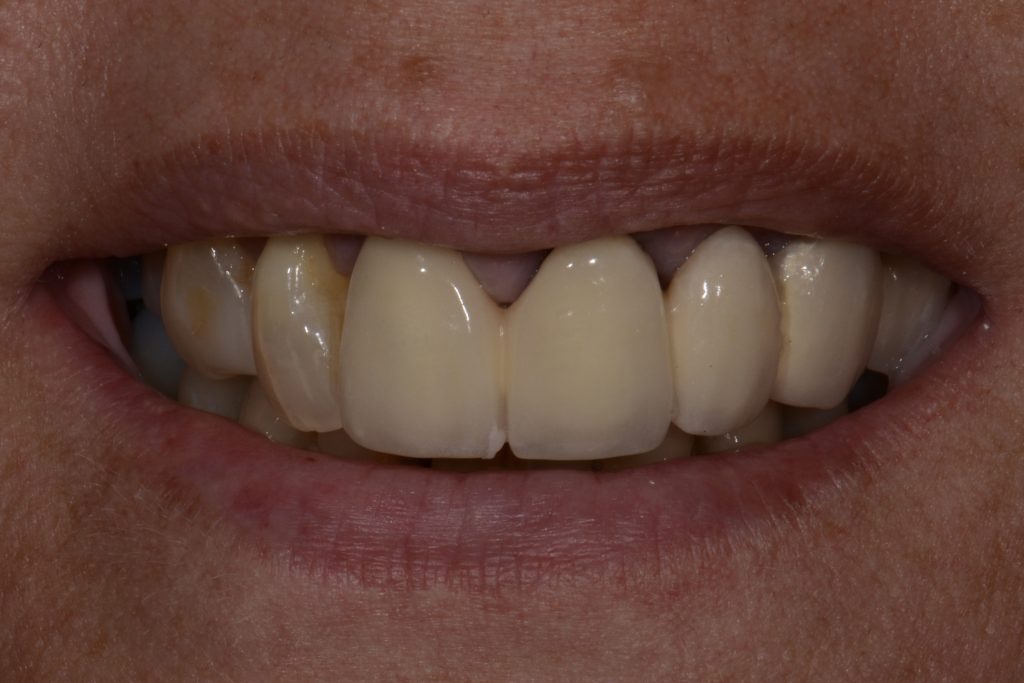
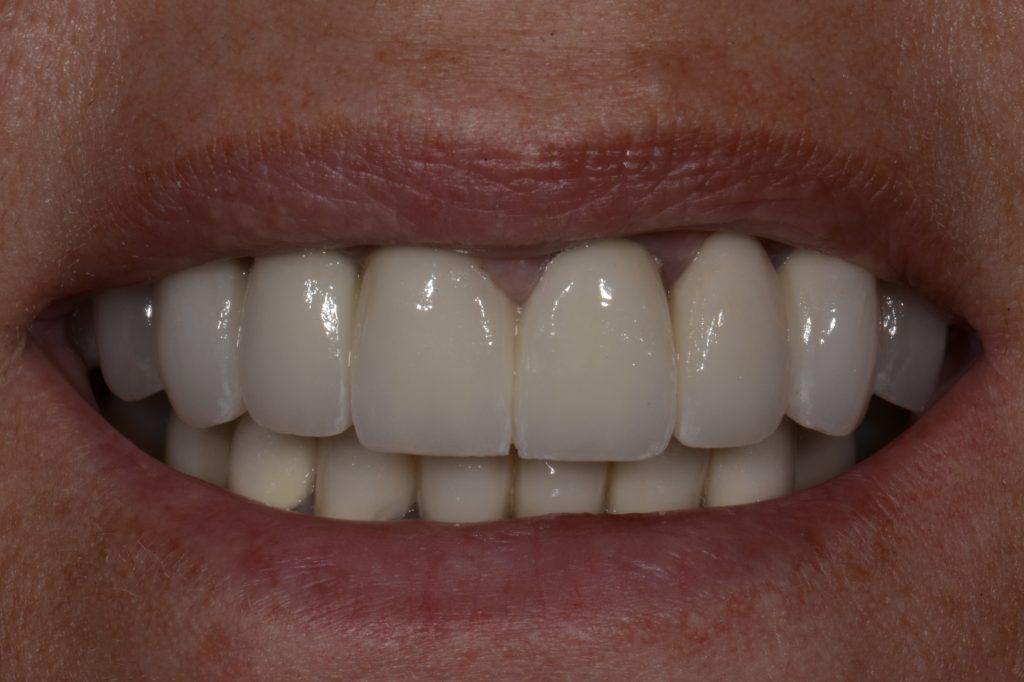
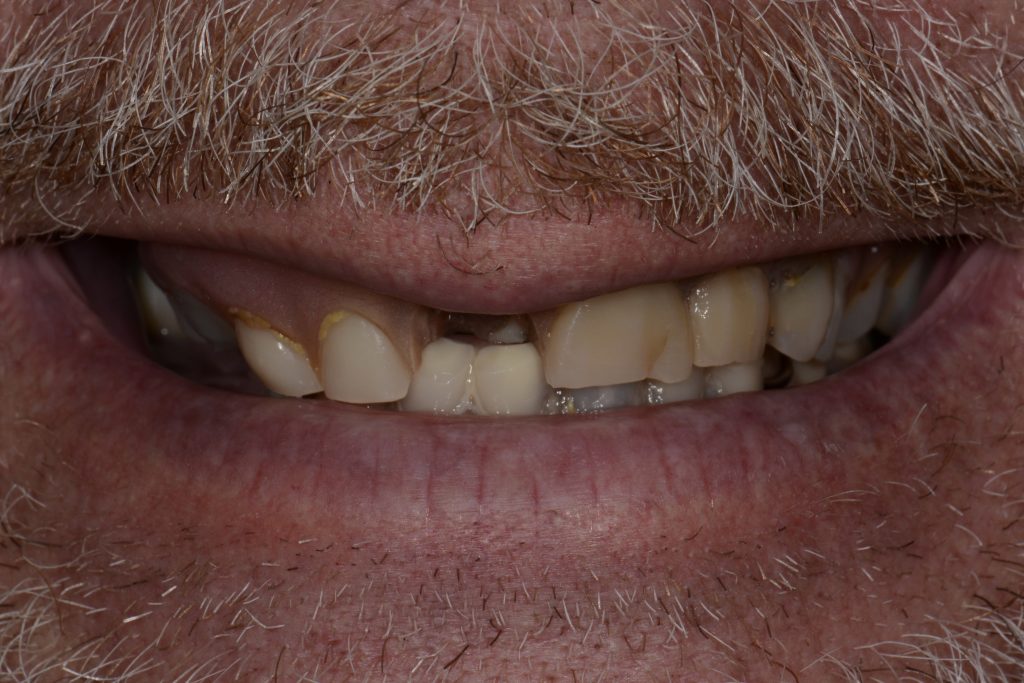
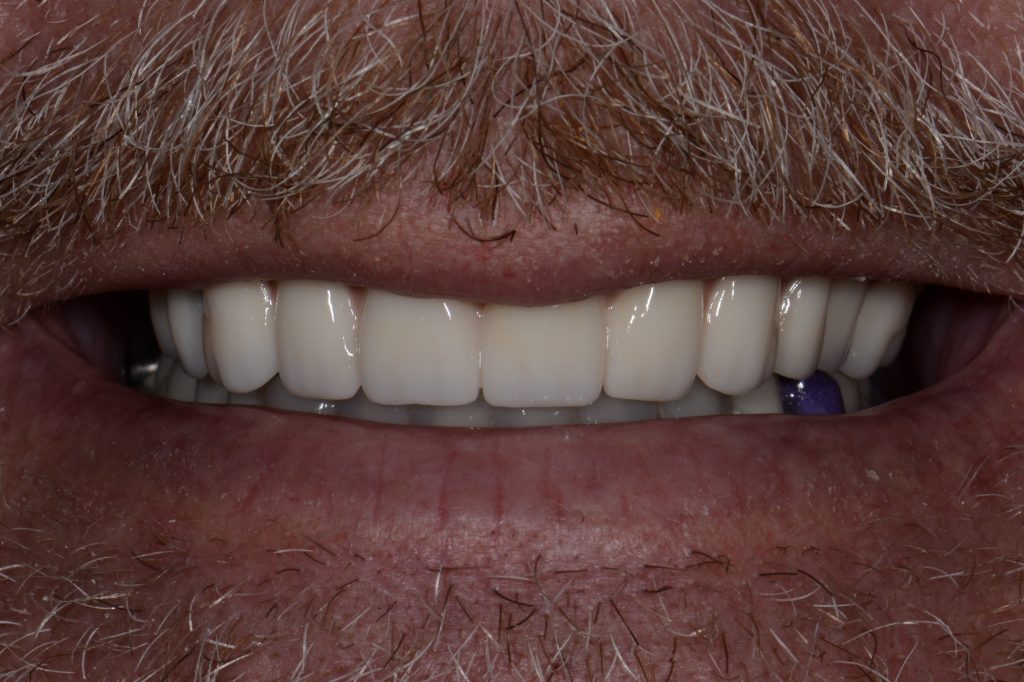
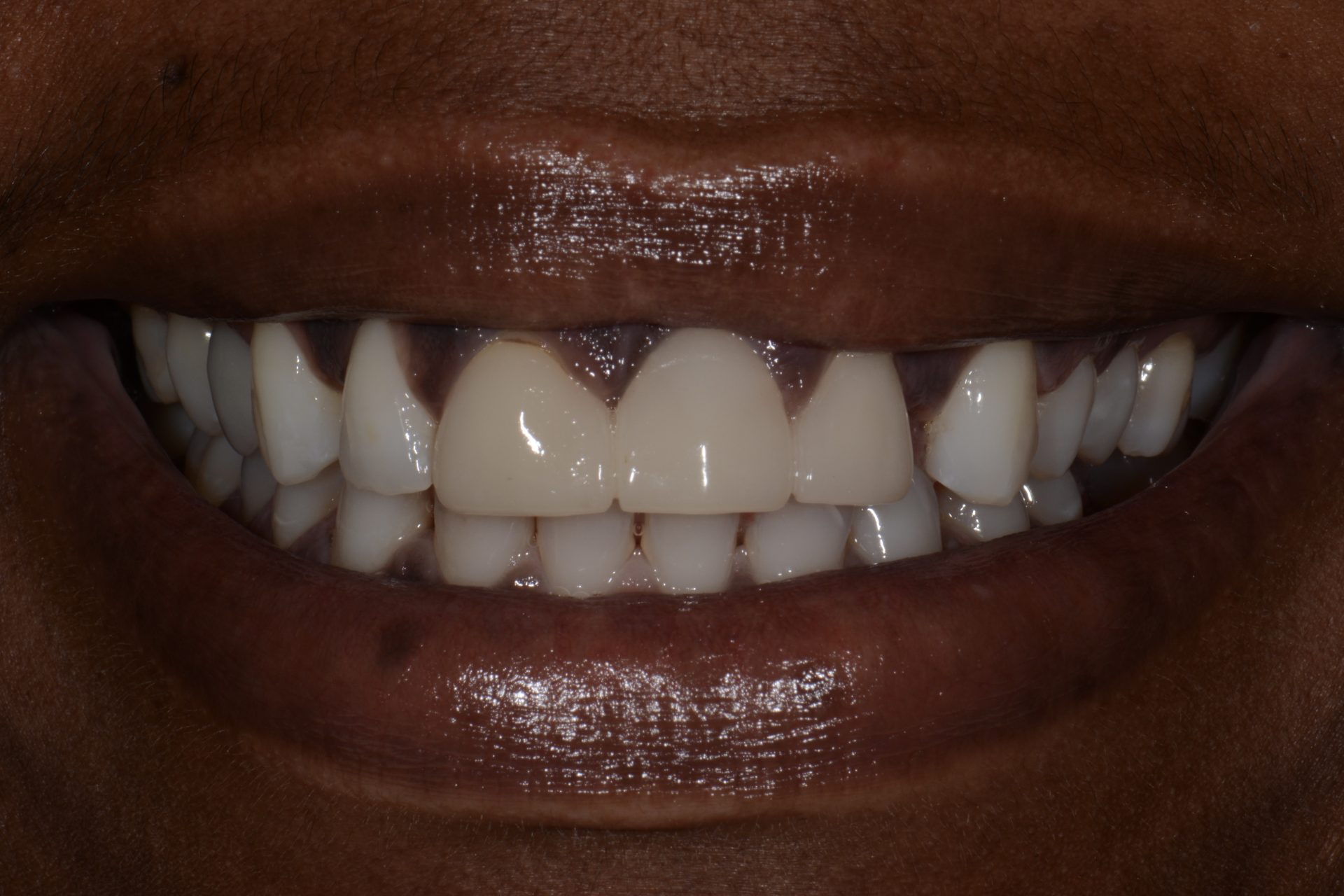
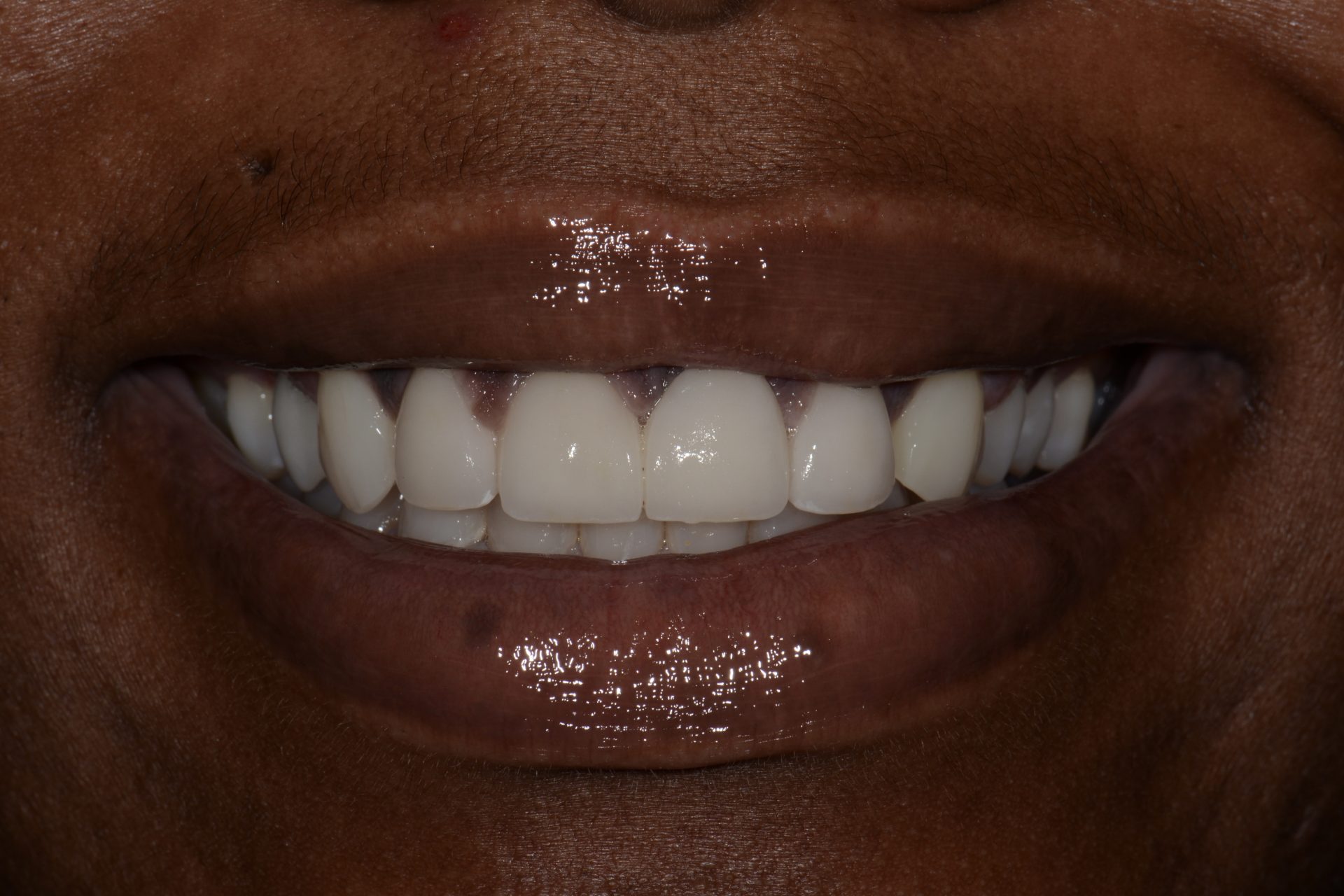
A dental bridge is a custom-made prosthetic device used to replace one or more missing teeth. It “bridges” the gap in your smile by anchoring artificial teeth (called pontics) to adjacent natural teeth or dental implants. These supporting teeth, known as abutments, provide stability for the bridge, ensuring it stays securely in place.

Dental bridges are crafted to look, feel, and function like natural teeth, restoring both the appearance and functionality of your smile. They’re a popular choice for patients seeking a fixed, non-removable solution to tooth loss, offering a more permanent alternative to dentures.

Different Types of Dental Bridges

Not all dental bridges are the same. Depending on your dental health, budget, and aesthetic preferences, your dentist may recommend one of the following types of bridges. Please also keep in mind that we do not offer all the treatments listed below. Contact our dental office for more information.

Traditional Dental Bridges

The most common type, traditional dental bridges, consists of one or more pontics held in place by dental crowns cemented onto the abutment teeth. These bridges are ideal when you have healthy, natural teeth on either side of the gap.

  • Best for: Patients with strong, healthy adjacent teeth.
  • Advantages: Highly durable, natural appearance, and widely available.
  • Considerations: Requires reshaping of adjacent teeth to accommodate crowns.

Implant-Supported Bridges

For patients missing multiple teeth or lacking strong adjacent teeth, implant-supported bridges are anchored to dental implants surgically placed in the jawbone. These bridges offer superior stability and longevity.

  • Best for: Multiple missing teeth or weak adjacent teeth.
  • Advantages: Extremely stable, prevents bone loss, and mimics natural tooth roots.
  • Considerations: Higher cost and longer treatment time due to implant surgery.

Cantilever Bridges

Cantilever dental bridges are similar to traditional bridges but are supported by a crown on only one side of the gap. This makes them suitable when there’s only one healthy tooth adjacent to the missing tooth.

  • Best for: Cases with a single adjacent healthy tooth.
  • Advantages: Less invasive than traditional bridges since only one tooth is crowned.
  • Considerations: Less stable than traditional bridges, not ideal for back teeth where chewing forces are stronger.

Maryland Bridges

Also known as resin-bonded bridges, Maryland bridges use a metal or porcelain framework bonded to the back of adjacent teeth, eliminating the need for crowns. They’re a conservative option that preserves more of your natural tooth structure.

  • Best for: Front teeth or cases where minimal tooth alteration is desired.
  • Advantages: Less invasive, quicker procedure, and cost-effective.
  • Considerations: Less durable than traditional bridges, not suitable for heavy chewing.

We do not offer Maryland dental bridges at our Westland dental office. Contact our dentist near you today at (734) 261-6060 to learn more.

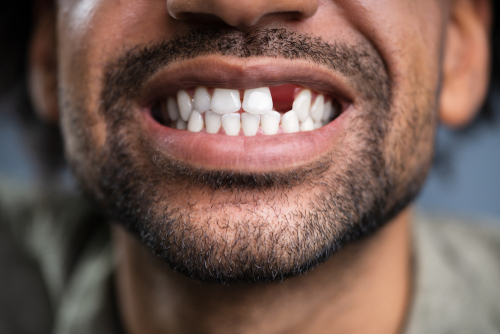
man missing a tooth

Frequently Asked Questions

Many dental insurance plans partially cover dental bridges, especially if deemed medically necessary. Coverage varies by provider and plan, typically ranging from 50% to 80% of the cost. Check with your insurance provider for specific details and eligibility.

Dental bridges are a fixed, long-term solution, but not permanent. With proper care, they last 10 to 15 years or more. Implant-supported bridges may last longer due to their stability. Regular dental checkups help extend the longevity of your restoration.

Minor damage to dental bridges, like chips or cracks, can often be repaired by a dentist. Severe damage may require replacement. Prompt dental care prevents further issues and extends the bridge’s life.

Dental bridges typically last 10 to 15 years with proper care, but not a lifetime. Implant-supported bridges may last longer due to their durability. Regular oral hygiene and dental visits maximize their lifespan.

Schedule an Appointment at Parkside Dental

Missing teeth don’t have to define your smile or your confidence. A dental bridge offers a reliable, attractive, and functional solution to restore your oral health and enhance your quality of life. Don’t let gaps in your smile hold you back—take action today to reclaim your confidence.

Contact our Westland dentist today at (734) 261-6060 to explore your tooth replacement options.

keyboard_arrow_up