Inlays and Onlays in Westland, MI

What Are Inlays and Onlays?

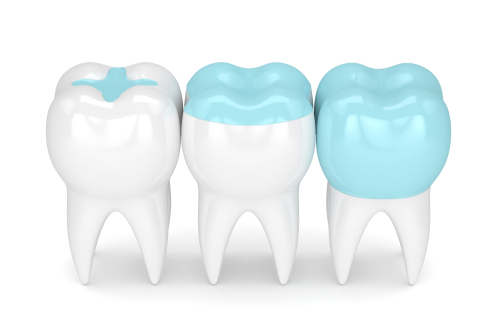
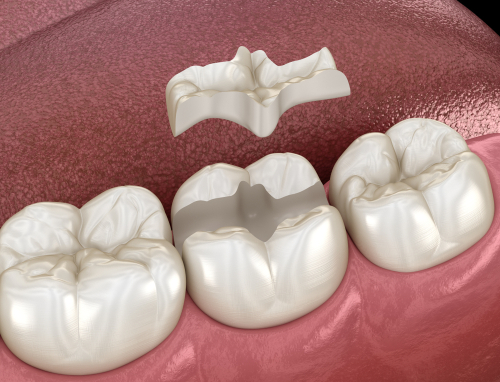
Dental inlays and onlays are indirect dental restorations, meaning they are fabricated outside the mouth (typically in a dental laboratory) and then bonded permanently into place. They are considered a middle ground in restorative dentistry: more substantial than a traditional direct filling, but more conservative than a full dental crown.

Coverage Area

Also Known As

Best For

Common Materials

Inlay

Central biting surface only

Indirect Filling

Decay confined within the cusps

Porcelain, composite resin, gold

Onlay

Central surface plus one or more cusps

Partial crown

More extensive damage reaching the cusp tips

Porcelain, composite resin, gold

Both restorations are bonded securely to the tooth using strong dental adhesives. Porcelain and tooth-colored composite options are especially popular because they blend seamlessly with surrounding natural teeth, making the restoration virtually invisible. Dr. Cohen takes care to match the shade and shape of each inlay or onlay to the patient’s natural dentition. The result is a restoration that functions like a natural tooth and looks like one, too.

When Are Inlays and Onlays Most Useful?

Inlays and onlays shine in situations where a tooth is damaged enough that a simple composite filling would not hold up long-term, yet healthy enough that removing significant tooth structure for a crown would be unnecessarily aggressive. Here are the circumstances in which Dr. Cohen most frequently recommends these restorations for patients in Westland, MI:

Moderate to Large Cavities: When decay affects a significant portion of the biting surface, a standard filling may crack, shift, or wear down over time due to the pressure of chewing. An inlay provides a far more stable and durable solution.

Cracked or Fractured Teeth: A tooth with a crack or fracture that has not split all the way through can often be saved with an onlay. The bonded restoration holds the tooth together, preventing the crack from spreading and restoring the tooth’s full biting strength.

Replacement of Old, Failing Fillings: Large amalgam or composite fillings that are beginning to crack, leak, or wear down are prime candidates for inlay or onlay replacement. Upgrading to a custom-fabricated indirect restoration often means decades of additional function without the need for a more invasive procedure.

Damaged Teeth with Intact Cusps: If the cusps of a tooth remain healthy but the central portion is compromised, an inlay preserves those cusps and avoids the unnecessary reduction of healthy structure.

Cosmetic Considerations: Because porcelain inlays and onlays can be color-matched to surrounding teeth, they are an excellent option for patients who want to restore a tooth while maintaining a natural appearance. Unlike amalgam fillings, they will never darken the tooth or stand out in photographs.

In every case, Dr. Cohen evaluates the extent of the damage, the health of the surrounding tooth structure, and the patient’s bite before recommending an inlay, onlay, or an alternative treatment.

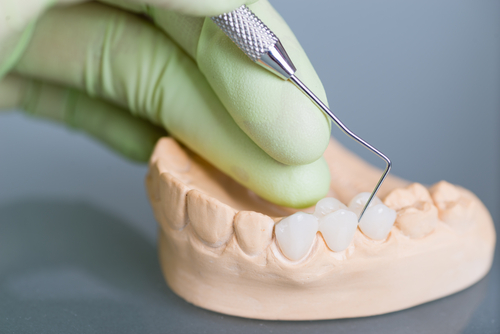
model of teeth
inlays and onlays at Parkside Dental

Who Is a Candidate for Dental Inlays and Onlays?

Most adults who present with moderate tooth decay or damage are potential candidates for inlays or onlays. During a comprehensive examination at Parkside Dental in Westland, MI, Dr. Cohen will assess several factors to determine whether this approach is right for you.

Sufficient Remaining Tooth Structure: A tooth needs enough healthy structure surrounding the damaged area to support an inlay or onlay. If decay or fracture has progressed too far, a full crown or even an extraction may be necessary. However, when there is an adequate healthy tooth remaining, an inlay or onlay is almost always preferable because it preserves more of the natural tooth.

Good Oral Hygiene Habits: Patients who brush twice daily, floss regularly, and attend routine checkups tend to get the most out of their restorations. Inlays and onlays can last 10 to 30 years with proper care, making them an outstanding long-term investment for patients committed to good oral health.

No Active Gum Disease: Before placing any restoration, underlying periodontal issues need to be addressed. Healthy gums are the foundation of any successful restorative treatment. If Dr. Cohen identifies signs of gum disease during your evaluation, he will recommend treating it first.

Patients Who Grind Their Teeth: Bruxism, or habitual teeth grinding, can put excessive stress on restorations. Dr. Cohen may recommend a custom nightguard alongside an inlay or onlay to protect the restoration from premature wear. This is a common and easily managed consideration.

Children and Teens: Younger patients with significant decay in permanent molars may also be candidates, depending on the maturity of their tooth roots and the extent of the damage. Dr. Cohen will discuss appropriate options for younger patients during the examination.

If you are unsure whether you qualify, the best step is to schedule a consultation with Dr. Cohen at Parkside Dental. He will review your X-rays, examine your teeth, and walk you through every option available to you as a patient in Westland, MI.

Inlay and Onlay Aftercare

One of the most appealing aspects of dental inlays and onlays is how little they disrupt your daily life once they are placed. The procedure itself typically requires two visits: one to prepare the tooth and take impressions, and a second to bond the finished restoration in place. After the final placement appointment, recovery is minimal.

Managing Initial Sensitivity. It is normal to experience mild sensitivity to temperature or pressure in the days following placement. This typically resolves on its own within one to two weeks. Over-the-counter pain relievers can help if the sensitivity is uncomfortable, though most patients find it to be quite manageable.

Eating and Drinking Dr. Cohen advises patients to avoid very hard or sticky foods for the first 24 to 48 hours after placement. After that initial period, you can eat normally. One of the great benefits of inlays and onlays is that they restore your ability to chew comfortably and efficiently, so there are very few long-term dietary restrictions.

Daily Oral Hygiene Brush at least twice daily with a soft-bristled toothbrush and fluoride toothpaste. Floss once a day, taking care to clean gently around the edges of the restoration. There is no need for special flossing techniques; treat the area like any other part of your mouth.

Routine Dental Visits Regular checkups at Parkside Dental allow Dr. Cohen to monitor the condition of your inlay or onlay over time. He will check the margins (where the restoration meets the tooth) for any signs of wear or leakage and polish the restoration as part of your routine cleaning.

Avoiding Harmful Habits: Chewing on ice, biting fingernails, or using your teeth to open packaging can shorten the lifespan of any dental restoration. Patients who have been diagnosed with bruxism should wear their nightguard as directed to avoid putting undue stress on the restoration.

inlays at Parkside Dental
young man visiting the dentist
keyboard_arrow_up